Category Archives: Uncategorized

🧸 The Smart Parent’s Guide to Educational Toys: Turning Playtime into Powerful Learning

🌟 Introduction

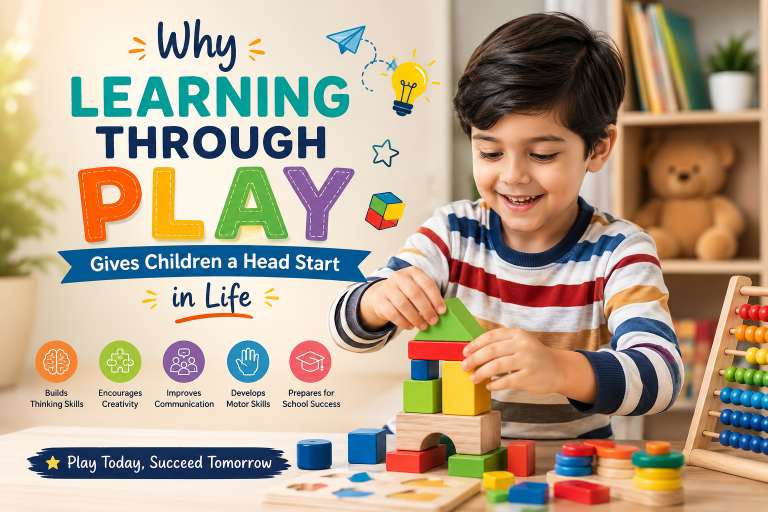
Every parent wants the best for their child—better learning, sharper thinking, and a confident future. In today’s fast-paced world, however, children are increasingly surrounded by screens and passive forms of entertainment. This creates a common concern for parents: how to make learning enjoyable without making it feel like a burden. Educational toys provide a powerful solution to this challenge by transforming ordinary playtime into meaningful learning experiences. Instead of simply keeping children occupied, these toys actively engage their minds, helping them develop essential skills while having fun. Research and modern parenting trends consistently show that children learn best when they are involved, and play-based learning has become one of the most effective ways to support early development.


🎯 What Makes a Toy “Educational”?

Not every toy that looks colorful or attractive can be considered educational. A true educational toy is one that encourages a child to think, explore, and interact in a meaningful way. It supports problem-solving, enhances creativity, improves coordination, and helps children understand basic real-world concepts. The value of such toys lies in their ability to combine fun with learning, allowing children to naturally develop cognitive and motor skills without pressure. Well-designed educational toys focus on building logical thinking and curiosity, which are essential for a child’s overall growth.


🧠 Why Educational Toys Matter More Than Ever

The early years of a child’s life are critical for brain development, and the type of play they engage in plays a major role in shaping how they think and learn. Educational toys help strengthen thinking skills by encouraging children to analyze situations, plan actions, and solve problems independently. They also play a significant role in nurturing creativity and imagination, as children are given the freedom to create, build, and explore their own ideas. In addition, these toys support the development of fine motor skills by improving hand-eye coordination and control through hands-on activities. Another important benefit is that they reduce dependency on screens by offering engaging alternatives that promote active participation. As children achieve small successes during play, such as solving a puzzle or completing a task, they develop confidence and a sense of independence that motivates them to learn further.


🧩 Types of Educational Toys Every Child Should Try

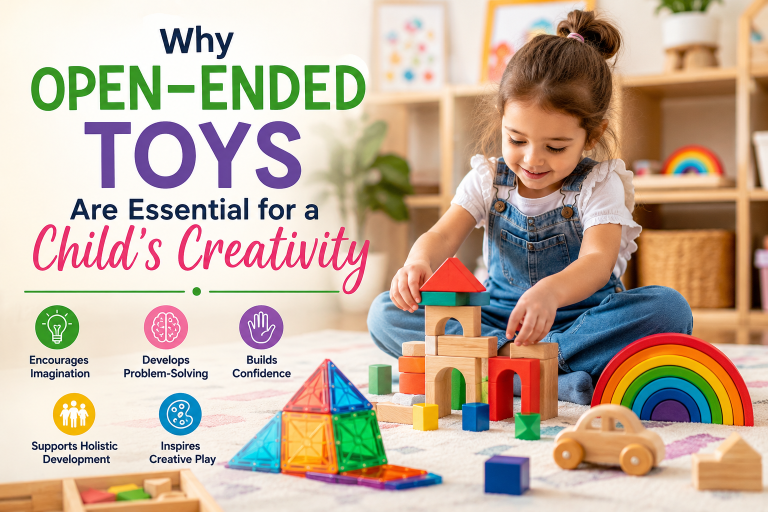
Educational toys come in various forms, each designed to support different aspects of a child’s development. Learning and alphabet toys are especially beneficial for early learners, as they introduce letters, sounds, and basic language skills in an interactive way. Similarly, math and counting toys help children understand numbers and develop logical thinking from an early age. Building and construction toys encourage creativity and problem-solving by allowing children to design and assemble structures, which also improves spatial awareness. Brain teasers and logic games challenge children to think critically, improving their memory, focus, and reasoning abilities. Creative and artistic toys, such as drawing boards and craft kits, provide an outlet for self-expression and imagination, helping children explore their creative potential.


👶 Choosing the Right Toy by Age

Selecting the right educational toy depends greatly on a child’s age and developmental stage. For toddlers between one and three years, simple toys like shape sorters, stacking toys, and basic puzzles are ideal as they help develop motor skills and basic recognition abilities. Preschoolers, typically between three and five years, benefit more from toys that encourage creativity and early learning, such as alphabet games, building blocks, and drawing tools. As children grow older and enter school age, they require more challenging toys like STEM kits, advanced puzzles, and strategy-based games that enhance problem-solving skills and independent thinking. Choosing age-appropriate toys ensures that children remain engaged while gaining the maximum learning benefit.


🚫 Common Mistakes Parents Make

Many parents unintentionally make mistakes when selecting toys for their children. One common issue is buying too many toys instead of focusing on quality and purpose. Flashy toys that look attractive but offer little educational value often fail to contribute to a child’s development. Ignoring age-appropriateness is another mistake that can lead to frustration or lack of interest in play. Additionally, relying too much on screens instead of interactive toys can limit a child’s ability to actively learn and explore. It is important to remember that a single meaningful educational toy can provide far more value than multiple toys with no real learning benefit.


🌟 The Future of Learning is Play-Based

The traditional idea that learning and play are separate activities is rapidly changing. Modern educational approaches emphasize that children learn more effectively when they are engaged in hands-on, interactive experiences. Play-based learning has proven to improve memory, increase understanding, and help children develop essential life skills. Educational toys perfectly align with this approach by combining enjoyment with meaningful learning outcomes. As a result, they are becoming an essential part of modern parenting and early education.


🛍️ Final Thoughts: Invest in Play that Matters

Every toy a parent chooses plays a role in shaping their child’s development. The best toys are those that teach without creating pressure, engage children without relying on screens, and continue to provide value as the child grows. By focusing on toys that encourage learning and creativity, parents can ensure that playtime becomes a productive and enriching experience.


✅ Conclusion

In a world filled with distractions, providing children with meaningful play opportunities is more important than ever. Educational toys go beyond simple entertainment by helping children develop critical thinking skills, creativity, confidence, and independence. They prepare young minds to face real-life challenges while making learning an enjoyable journey. By choosing the right educational toys, parents are not just keeping their children busy—they are investing in their future. The impact of these choices can last a lifetime, proving that the right play today truly builds a brighter tomorrow.