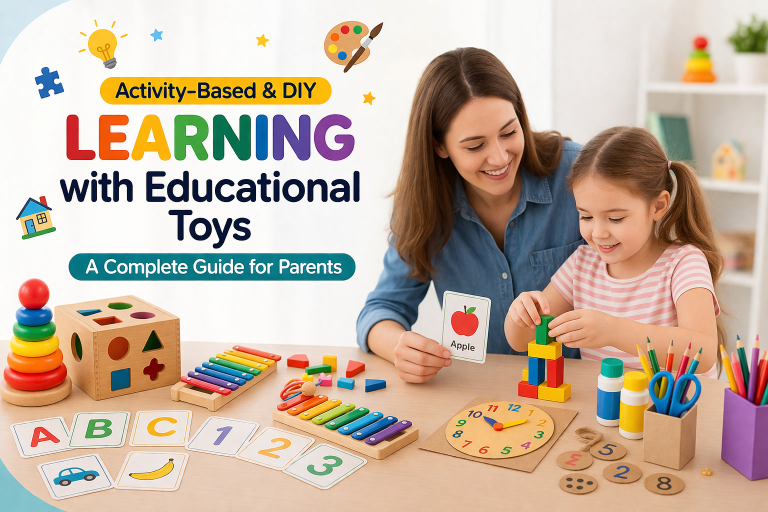
In today’s fast-paced, technology-driven world, many parents struggle to find meaningful ways to engage their children beyond screens. While digital tools have their place, nothing replaces the value of hands-on, activity-based learning—especially when combined with educational toys.
Educational toys are more than just playthings; they are tools that help children explore, experiment, and understand the world around them. However, simply owning these toys is not enough. The real impact comes from how they are used. By integrating fun activities, creating a dedicated learning space, and even making your own DIY toys, you can transform ordinary playtime into a powerful learning experience.
This guide will walk you through practical ideas and strategies to help your child learn, grow, and thrive through creative play.
🎯 Why Activity-Based Learning is Important
Activity-based learning focuses on learning through doing. Instead of passively receiving information, children actively participate in the learning process. This method is especially effective for young learners because it aligns with their natural curiosity and energy.
When children engage in hands-on activities, they develop essential life skills such as problem-solving, critical thinking, and creativity. It also improves memory retention because kids are more likely to remember things they experience rather than things they are simply told.
Moreover, activity-based learning builds confidence. When a child successfully completes a puzzle, builds a structure, or solves a simple problem, they feel a sense of achievement that motivates them to keep learning.
🧩 Fun Learning Activities Using Educational Toys
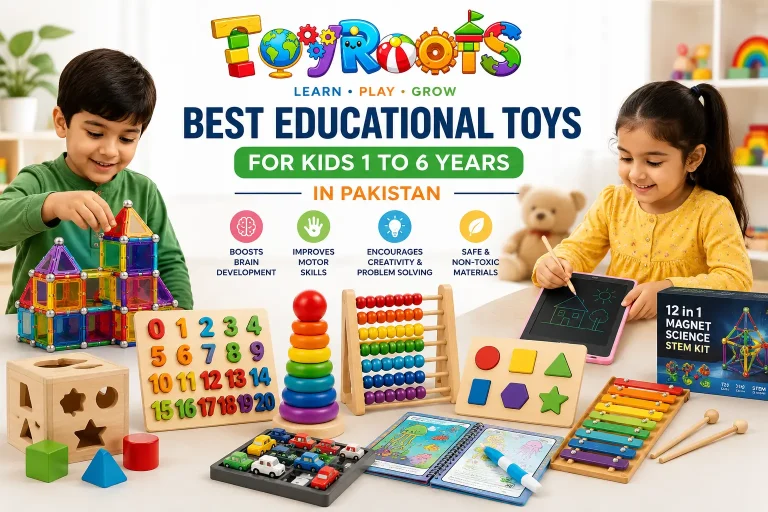
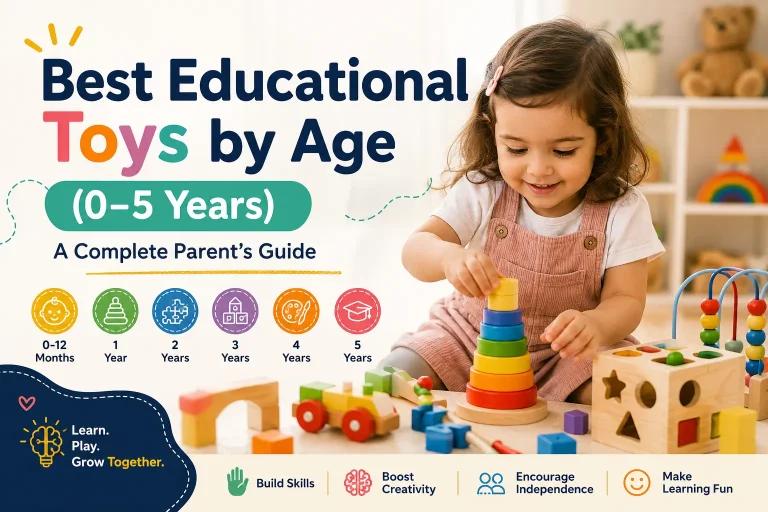
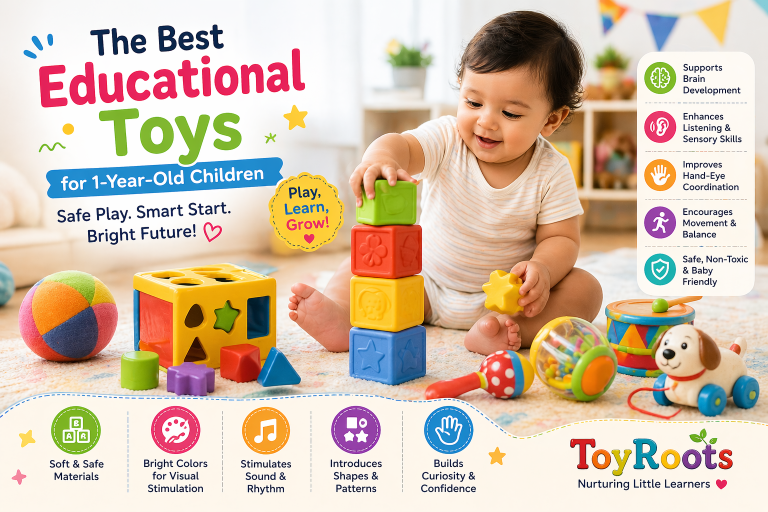
Educational toys can be used in many creative ways to make learning exciting and interactive. For example, a simple set of blocks can be turned into a counting game where children stack and count each piece. Similarly, shape sorters can help kids recognize patterns and improve their cognitive skills.
Another engaging activity is a “color hunt,” where children are asked to find objects or toys of a specific color around the house. This not only reinforces color recognition but also keeps them physically active.
Storytelling is another powerful method. Using toy animals, dolls, or action figures, children can create their own stories. This enhances language development, imagination, and emotional expression.
Puzzles can also be turned into fun challenges by adding a time element, encouraging children to think quickly and strategically. These simple activities make learning enjoyable while building essential skills.
🏡 How to Create a Learning Corner at Home
Creating a dedicated learning space at home can significantly improve a child’s focus and interest in educational activities. A learning corner doesn’t need to be large or expensive—it just needs to be organized, inviting, and child-friendly.
Start by choosing a quiet and well-lit area in your home. Add a small table and chair suitable for your child’s height. Use colorful baskets or shelves to store toys neatly, making them easily accessible.
It’s also a good idea to rotate toys every week. This keeps the environment fresh and exciting, preventing boredom. You can decorate the space with educational posters, alphabet charts, or your child’s artwork to make it more engaging.
A well-designed learning corner helps children associate that space with focus, creativity, and fun learning.
🛠️ DIY Educational Toys You Can Make at Home
You don’t always need to buy expensive toys to support your child’s learning. Many effective educational tools can be made at home using simple, everyday materials.
- Counting game using bottle caps
- Cardboard puzzles
- Alphabet box with objects
- Sock matching game
- Paper plate clock
DIY toys also give parents an opportunity to bond with their children while creating something meaningful together.
🎮 10 Indoor Learning Games for Kids
- Memory card games to improve concentration
- Alphabet treasure hunts to build language skills
- Number hop games for active learning
- Tower-building challenges using blocks
- Word formation games for early readers
- Matching pair activities
- DIY bowling games using plastic bottles
- Simon Says for listening skills
- Story cube games for creativity
- Sorting games based on size, shape, or color
🔤 How to Use Flashcards and Toys Together Effectively
Flashcards are a great learning tool, but they can sometimes feel repetitive or boring if used alone. Combining flashcards with toys makes learning more interactive and enjoyable.
For example, if you’re teaching the word “apple,” you can show the flashcard and then match it with a toy fruit. This creates a stronger connection in the child’s mind. You can also turn flashcard sessions into games by asking questions, giving rewards, or incorporating storytelling.
Using flashcards during playtime rather than as a separate activity helps children learn naturally without feeling pressured.
🌟 Conclusion

Educational toys have the potential to transform the way children learn—but their true value lies in how they are used. By incorporating activity-based learning, setting up a dedicated learning corner, and exploring DIY toy ideas, parents can create a rich and engaging learning environment at home.
Play is not just entertainment—it is the foundation of lifelong learning.