🧩 Why “Simple Toys” Are Secretly the Smartest Choice for Your Child

🧩 Why “Simple Toys” Are Secretly the Smartest Choice for Your Child

Social

Have you ever bought a toy that your child played with for just one day… and then forgot? You’re not alone.

In today’s world of flashy lights and noisy gadgets, it’s easy to believe that more features mean better learning. But in reality, the opposite is often true. Sometimes, the simplest toys create the deepest and most meaningful learning experiences for children.


🤔 What Are “Simple Toys”?

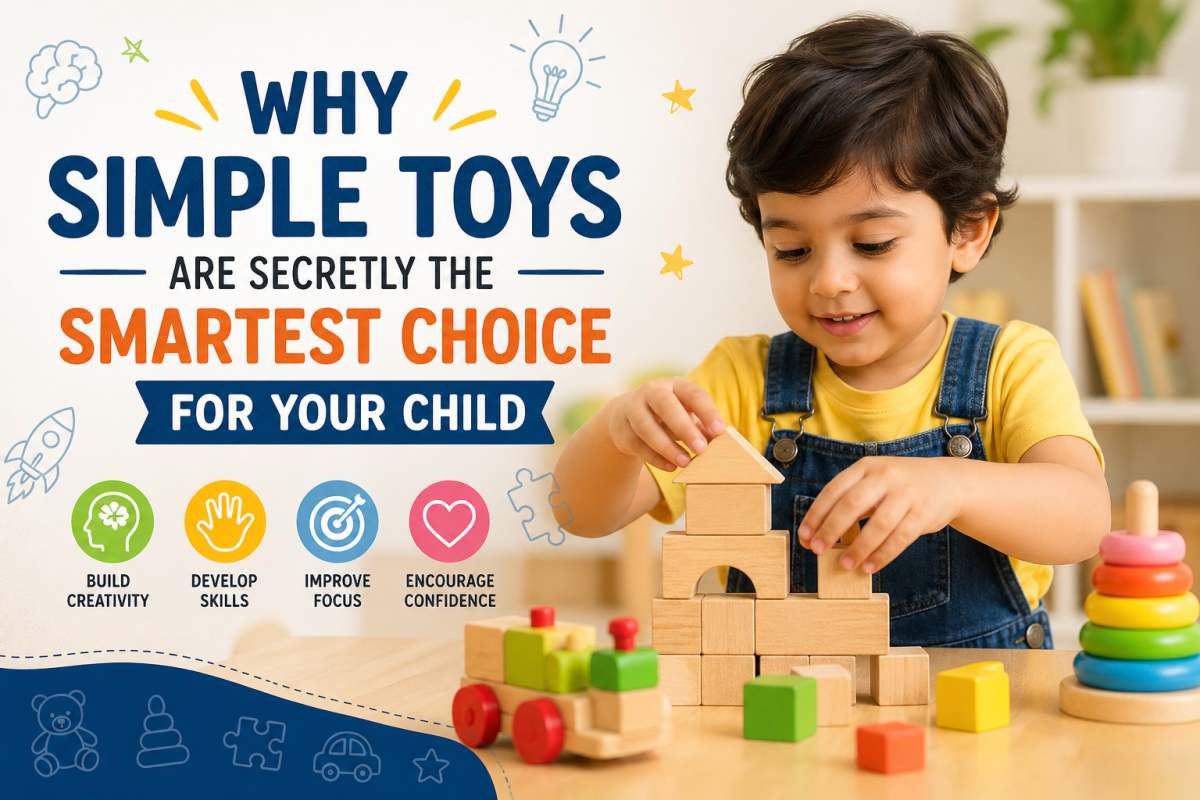
Simple toys are those that do not do everything for the child. Instead of giving instructions or automatic responses, they encourage children to think, explore, and create on their own. Toys like wooden puzzles, building blocks, stacking toys, and basic STEM kits may look basic, but they open the door to imagination and creativity. These toys allow children to use their minds freely, making playtime more meaningful.


🧠 Kids Learn More When They Do the Thinking

When a toy lights up, talks, and tells a child exactly what to do, the child becomes more of a passive player. They follow instructions instead of thinking independently. On the other hand, simple toys require children to make decisions, solve problems, and experiment. This process helps build independent thinking, curiosity, and strong problem-solving skills, all while the child is simply playing.


🎨 Imagination Grows Without Limits

Most electronic or battery-powered toys are designed for one specific purpose, which limits how they can be used. Simple toys, however, have no fixed rules. A set of blocks can become a house one day and a rocket the next. A puzzle can turn into a storytelling activity. This freedom allows children to explore their creativity without restrictions, helping their imagination grow naturally.


✋ Hands-On Play Builds Real Skills

Simple toys encourage children to use their hands actively, which plays a vital role in their physical development. As children grasp, stack, sort, and build, they improve their hand-eye coordination, finger control, and grip strength. These skills are essential for everyday tasks such as writing, drawing, and even dressing themselves. The best part is that children develop these abilities naturally while enjoying their playtime.


⏳ Patience and Focus Naturally Improve

Unlike fast-paced digital toys that provide instant results, simple toys take time and effort to understand. Children need to focus, try different approaches, and sometimes make mistakes before succeeding. This process helps improve their attention span, patience, and ability to concentrate. Over time, it builds a calm and focused mindset that benefits them in learning and daily life.


🌱 Less Noise, More Meaningful Play

Many modern toys come with loud sounds, flashing lights, and constant stimulation, which can overwhelm children. Simple toys, in contrast, offer a quieter and more peaceful play experience. They encourage deep thinking, exploration, and meaningful engagement without unnecessary distractions. This type of play is especially important in today’s screen-heavy environment, where children already receive a lot of external stimulation.


💡 What Should Parents Look For?

When choosing a toy, it is important to consider whether it encourages thinking, creativity, and hands-on learning. A good toy should be versatile, allowing children to use it in different ways over time. It should also keep them engaged without relying on constant noise or instructions. Toys that meet these qualities are more likely to support long-term development and meaningful play.


🚀 Final Thoughts

Simple toys may not appear as exciting as high-tech gadgets at first glance, but they offer something far more valuable: real learning. They help children build creativity, confidence, and problem-solving skills in a natural and enjoyable way.

So the next time you are choosing a toy, remember that simple toys are not just basic — they are powerful tools for your child’s growth and development.
Smart Play Ideas for 2 Year Old Toddlers: Build Skills Through Fun

Smart Play Ideas for 2-Year-Old Toddlers: Build Skills Through Fun

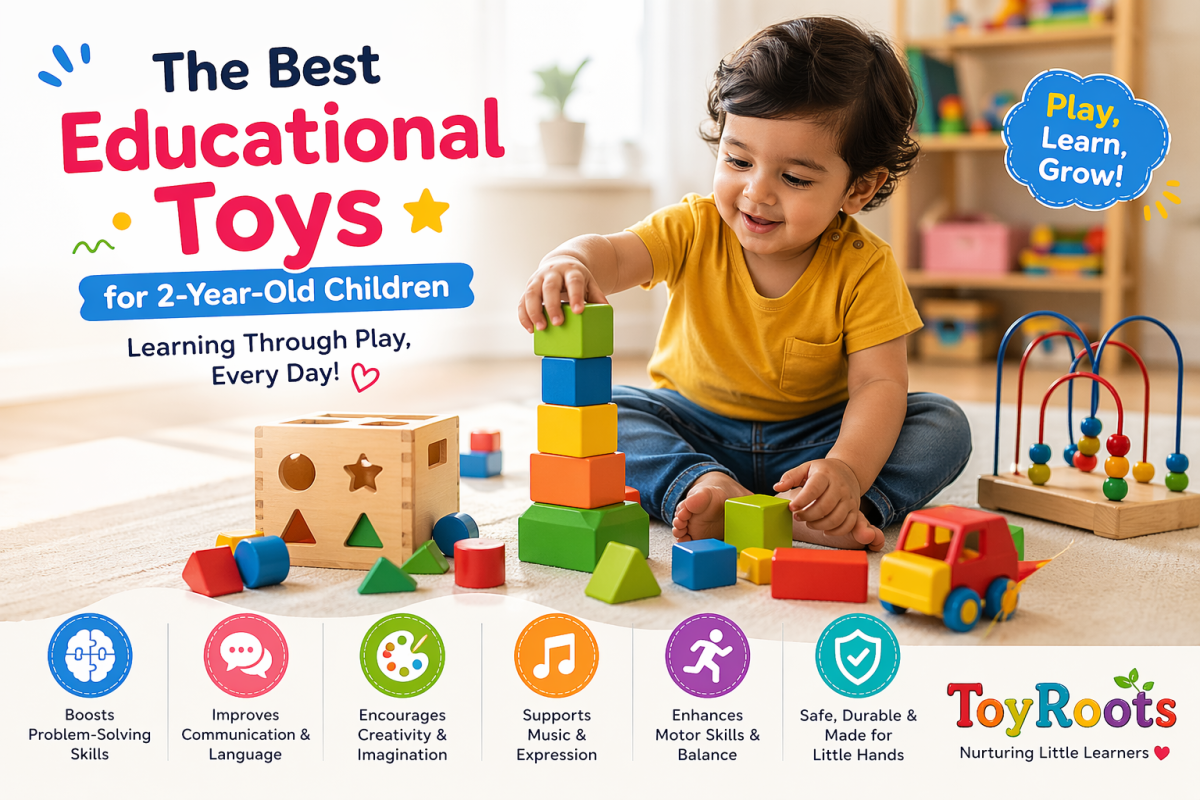
When a child turns 2 years old, their world becomes more active, curious, and expressive. At this stage, toddlers start walking confidently, speaking simple words, and showing stronger emotions and preferences. Every day becomes a new adventure filled with discovery. This is the perfect time to introduce educational toys that support imagination, communication, and physical development.

At ToyRoots, we believe that every toy should help children learn naturally through play, without pressure—just joy and curiosity leading the way.


🧩 Building Early Thinking with Simple Puzzle Toys

At this age, children begin to understand shapes, patterns, and problem-solving in a more focused way. Simple puzzle toys are very helpful because they encourage toddlers to think before acting. As they try to fit pieces together, they develop patience, concentration, and logical thinking. These early problem-solving experiences become the foundation for future learning in school and beyond.


🚗 Role Play Toys for Imagination and Communication

Two-year-olds love to imitate adults. Whether it’s pretending to cook, talk on a phone, or take care of a toy, role play becomes an important part of their learning. These toys help children build imagination while also improving language and communication skills. As they act out different situations, they learn how to express feelings and understand the world around them in a creative way.


🎨 Colorful Learning Toys for Early Recognition

At this stage, children start recognizing colors, shapes, and objects more clearly. Toys that are bright, colorful, and interactive help strengthen visual learning. When toddlers interact with such toys, they begin to connect words with objects, improving their vocabulary and understanding. This early recognition is an important step toward stronger cognitive development.


🎵 Music and Rhythm Toys for Expression

Music becomes even more exciting for 2-year-olds. Simple instruments and sound-making toys allow children to express themselves freely. Whether they are tapping a drum or pressing a button that plays a sound, they learn rhythm, timing, and coordination. Music also supports emotional development by helping children express happiness, excitement, and curiosity in a natural way.


🏃‍♂️ Movement Toys for Energy and Balance

At this age, children are full of energy and love to move around. Toys that encourage walking, pushing, pulling, or climbing help improve balance and coordination. These physical activities are essential for developing strong muscles and body control. Movement-based toys also build confidence as children learn to explore their environment independently.


🛡️ Safe and Smart Toy Choices

Safety remains very important for 2-year-olds because they still explore with their hands and mouths. Toys should always be made from child-safe materials, have smooth edges, and be strong enough to handle active play. Choosing the right toys ensures that children can enjoy learning without any risk.

At ToyRoots, every toy is selected with care so parents can trust that their child is playing safely while learning something new.


💛 Learning Happens Every Day

At age 2, learning does not only happen through structured activities—it happens in everyday play. Whether a child is stacking blocks, singing along with a toy, or pretending to cook, every moment adds to their development. Parents play a big role by encouraging, guiding, and joining in their child’s playtime.


🌈 Final Thoughts

Two-year-old children are full of curiosity, imagination, and energy. They do not need complicated lessons; they need the right toys that turn everyday play into learning experiences. Educational toys help shape thinking, language, creativity, and physical skills in a natural and joyful way.


At ToyRoots, we are committed to supporting this beautiful stage of growth with toys that inspire learning, creativity, and happiness—because every little moment of play builds a brighter future. 💫

🌱 Best Educational Toys for 1 Year Old Babies: Building Early Learning Through Play

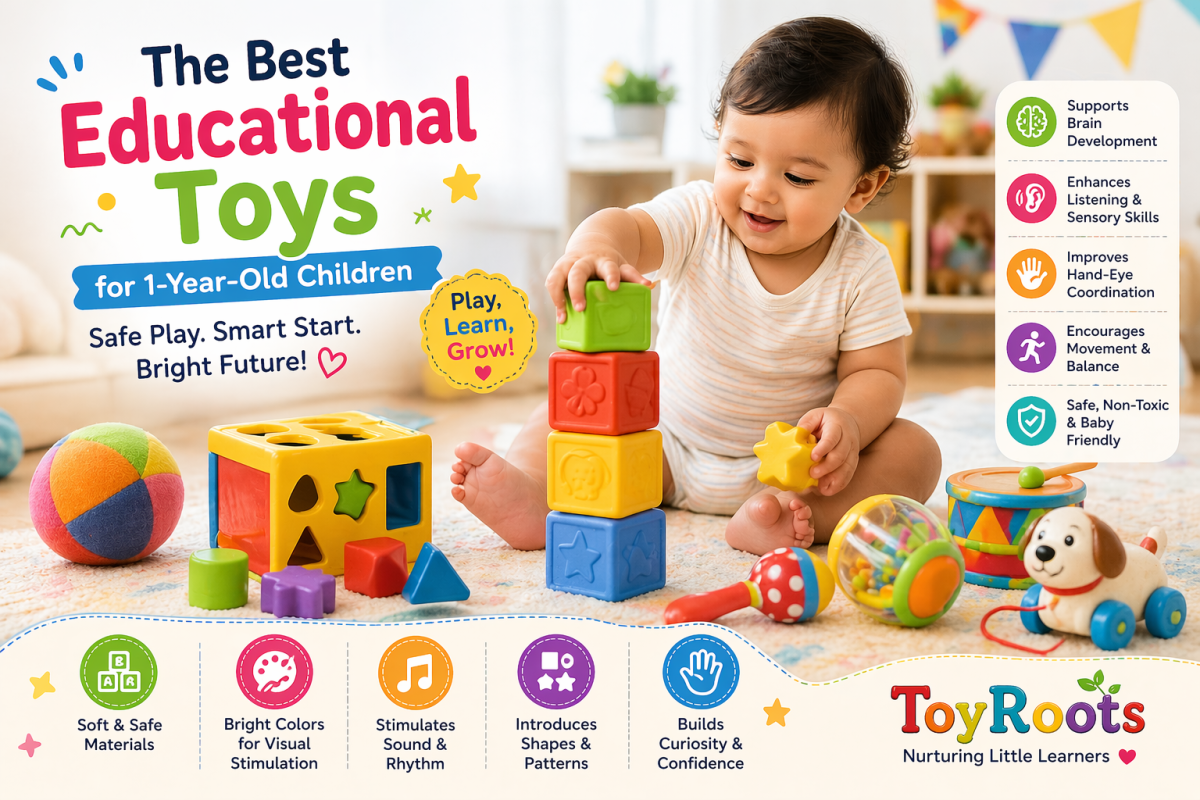
🌱 Best Educational Toys for 1-Year-Old Babies: Building Early Learning Through Play

At the age of 1 year, a baby begins one of the most important stages of early development. Everything around them becomes a source of curiosity—colors, sounds, movements, and textures all turn into learning experiences. This is the perfect time for parents to introduce safe and simple educational toys that support natural growth and brain development.At ToyRoots, we believe that learning should always begin with joy, comfort, and play. Educational toys for 1-year-olds are not just for entertainment; they help shape early motor skills, sensory awareness, and emotional bonding.

🧸 Soft Building Blocks for Early Development

Soft building blocks are one of the best choices for this age. These gentle, easy-to-grasp toys allow babies to explore stacking and balancing while improving their hand coordination. As children try to build and knock down blocks, they also begin to understand cause and effect, which is an important part of early learning.

🎵 Musical Toys for Sensory Growth

Musical toys also play a powerful role in development at this stage. Simple instruments such as rattles, mini drums, or sound-making toys help babies recognize different sounds and rhythms.

🔤 Shape Sorters for Problem Solving

Shape sorter toys are another excellent learning tool for 1-year-olds. They help children develop problem-solving skills, hand-eye coordination, and shape recognition.

🌈 Sensory Toys for Brain Development

Sensory toys stimulate a child\’s senses through different textures, bright colors, and gentle sounds. These experiences help develop brain connections and encourage curiosity.

🚗 Push and Pull Toys for Movement Skills

Push and pull toys encourage physical development by supporting balance, coordination, and confidence as babies begin walking.

🛡️ Safety First When Choosing Toys

Safety should always come first. Choose toys made from non-toxic materials with smooth edges and no small parts that could cause choking.

At ToyRoots, we carefully select toys that meet these safety standards so parents can feel confident while their children play and learn.

💛 The Role of Parents in Early Learning

Parents play an important role in early learning by spending time playing, talking about colors and shapes, and encouraging exploration every day.

🌟 Final Thoughts

In conclusion, 1-year-old children do not need complex toys to learn and grow. They simply need safe, engaging, and thoughtful toys that support their natural curiosity.

At ToyRoots, we are committed to supporting every child\’s first learning journey through safe, creative, and joyful play—because every big learner starts with small play. 💛

Why simple toys create smarter kids

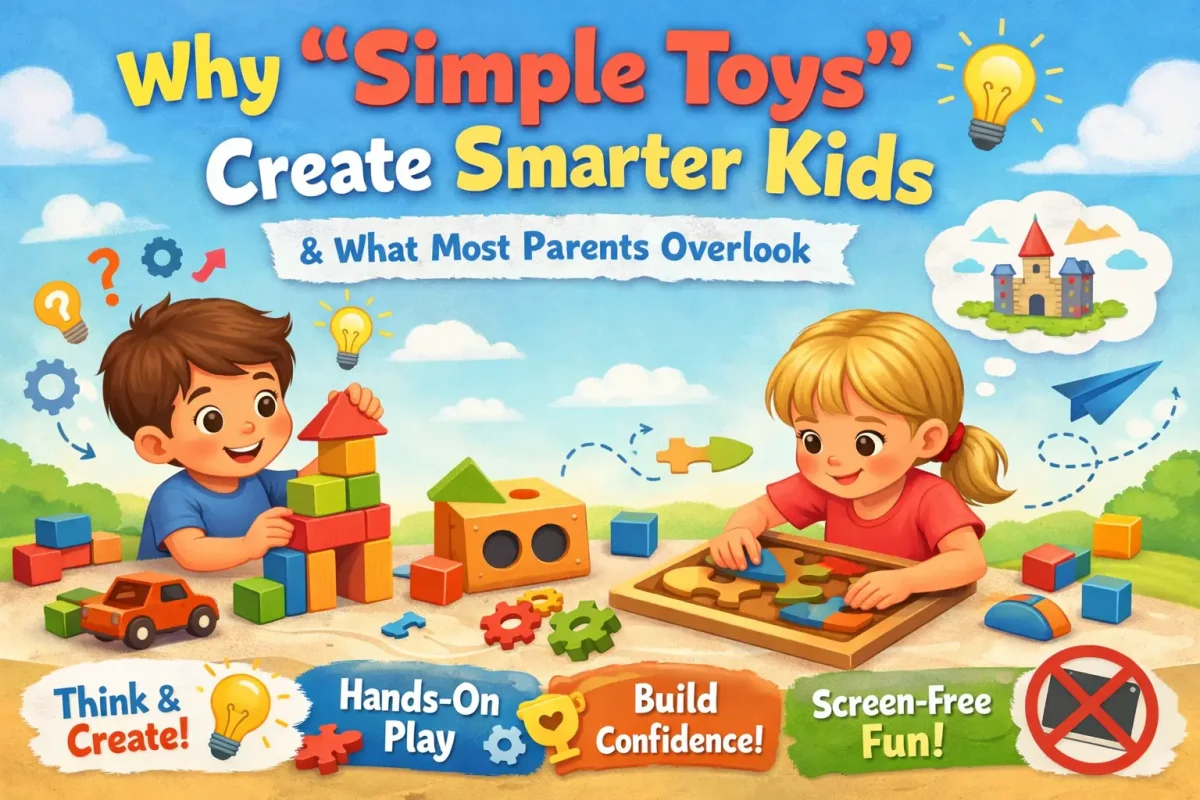
🧠 Why “Simple Toys” Create Smarter Kids (And What Most Parents Overlook)

In today’s world, children are surrounded by flashy, high-tech toys that promise instant fun and learning. Bright lights, exciting sounds, and interactive screens quickly capture attention, but they often do more entertaining than teaching. While these toys may look impressive, they don’t always support a child’s real development.The truth many parents miss is simple yet powerful — meaningful learning comes from hands-on experiences. When children interact with simple toys, they begin to think, explore, and understand the world in their own way. These moments of self-discovery build creativity, confidence, and independent thinking that no automated toy can provide.


🎯 Encouraging Real Thinking

Many modern toys guide every step, leaving little room for imagination. In contrast, simple toys invite children to make decisions on their own. Instead of pressing buttons, they begin to question, experiment, and figure things out. This natural problem-solving process strengthens their thinking ability and helps them become active learners rather than passive observers.


🧩 Unlocking Imagination

When a toy has no fixed purpose, it opens the door to endless possibilities. A small set of blocks can turn into a castle, a bridge, or an entire world built from imagination. This freedom allows children to create their own stories and experiences, helping their minds grow in ways that structured toys simply cannot match.


✋ Building Real-Life Skills

Hands-on play plays a crucial role in physical and mental development. As children grasp, move, and arrange objects, they improve coordination and control. These small actions quietly build the foundation for essential life skills such as writing, drawing, and handling everyday tasks with confidence and precision.


🔄 Learning Through Mistakes

Simple toys naturally encourage trial and error. When something doesn’t work, children try again with a different approach. This process teaches patience and resilience, helping them understand that mistakes are not failures but opportunities to improve and learn.


🌱 Growing Confidence

Each small success achieved through independent play builds a strong sense of confidence. When children complete a puzzle or build something on their own, they feel proud of their effort. Over time, these moments shape a mindset where they believe in their ability to solve problems and achieve goals.


📵 A Healthier Alternative to Screens

While screens offer quick entertainment, they often limit active engagement. Simple toys, on the other hand, keep children involved and focused. They encourage deeper thinking and creativity, offering a balanced and healthier way for children to spend their time.


💡 Conclusion

Raising confident and capable children is not about choosing the most advanced toys, but about providing meaningful play experiences. Simple toys may seem basic at first glance, yet they offer powerful benefits that support a child’s overall growth and development.

By encouraging creativity, building essential skills, and strengthening confidence, these toys help children grow in a natural and lasting way. In the end, it is often the simplest choices that make the biggest difference in shaping a child’s future.