Monthly Archives: July 2026

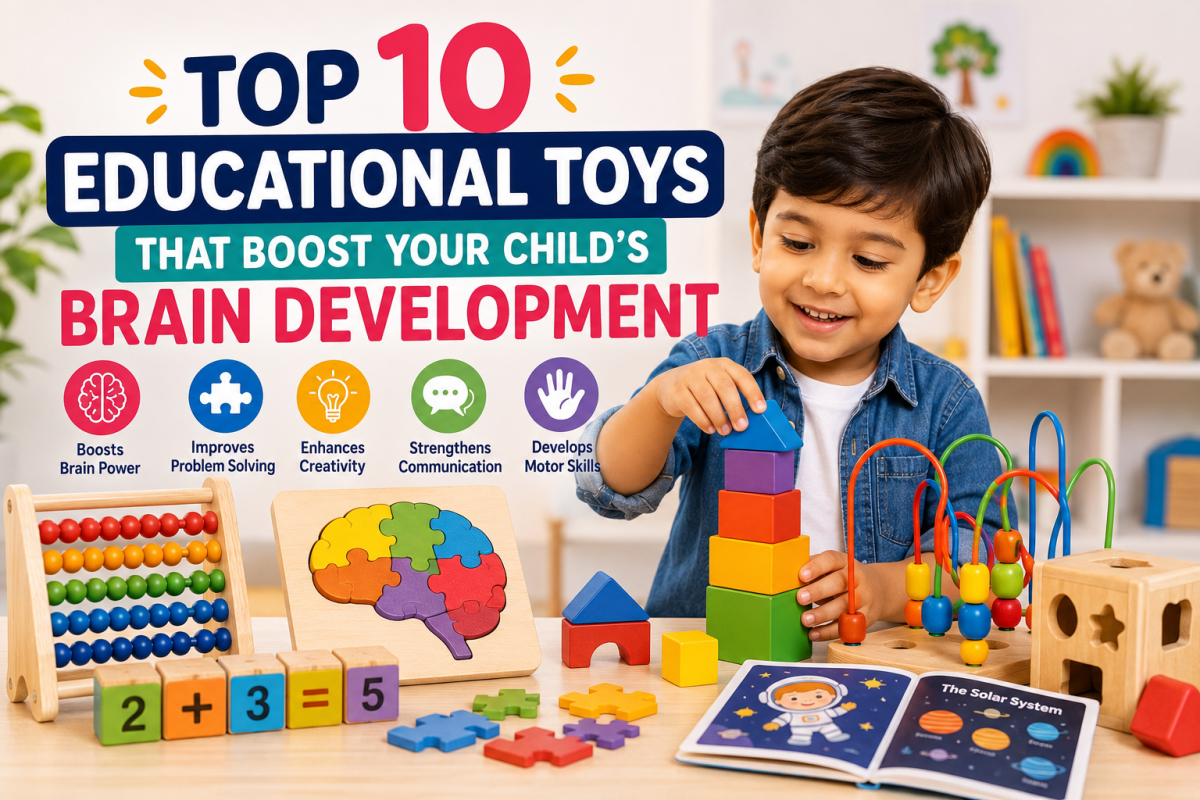
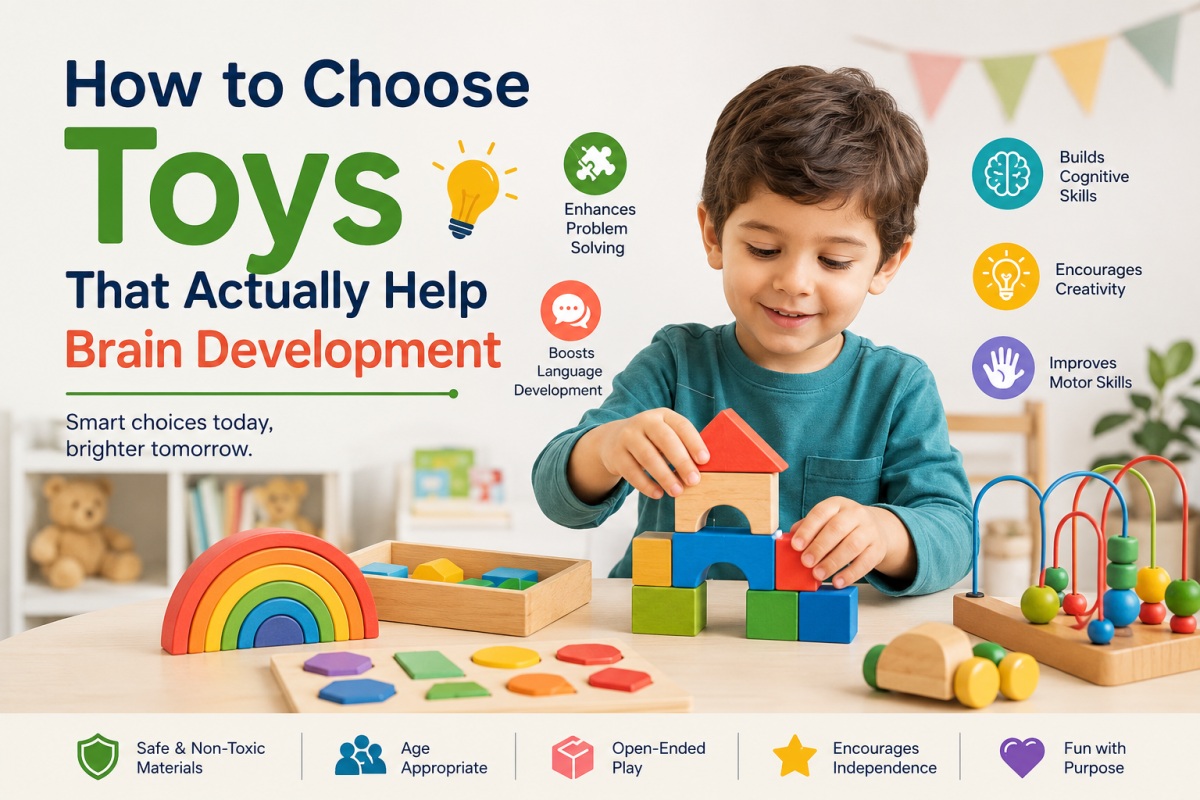
Child playing with educational wooden toys that help brain development, creativity, problem-solving, and cognitive skills.

How to Choose Toys That Actually Help Brain Development

Every parent wants to give their child the best possible start in life. While love, attention, and a nurturing environment play the biggest role in healthy development, the right toys can also make a meaningful difference. Toys are much more than objects that keep children busy—they are powerful learning tools that help develop thinking skills, creativity, problem-solving abilities, language, and emotional intelligence. The challenge is that today\'s market is filled with thousands of toys claiming to be \"educational.\" Bright lights, electronic sounds, and flashy packaging often convince parents that a toy is helping their child learn, when in reality many of these toys offer very little opportunity for active thinking. The best brain-development toys are usually the ones that encourage children to explore, imagine, experiment, and solve problems on their own. This guide will help you understand what makes a toy truly beneficial for brain development and how to choose toys that support your child\'s growth at every stage.

Why Toys Matter for Brain Development

During the first few years of life, a child\'s brain develops at an incredible pace. Every new experience forms millions of neural connections that become the foundation for learning, memory, language, and emotional development. The toys children play with can either stimulate these connections or simply entertain without encouraging meaningful thinking.

Well-designed educational toys encourage children to ask questions, make decisions, solve challenges, recognize patterns, improve concentration, and understand cause and effect. These experiences strengthen cognitive abilities while making learning enjoyable and natural.

What Makes a Toy Good for Brain Development?

A truly educational toy encourages active participation instead of passive entertainment. Rather than simply pressing a button to hear music or watch flashing lights, children should be able to build, create, imagine, organize, compare, sort, and experiment.

The best learning toys grow with the child. They can be used in different ways as skills improve, allowing children to discover new possibilities each time they play. This flexibility keeps the brain engaged and encourages continuous learning instead of repetitive actions.

Choose Toys According to Your Child\'s Age

Every stage of childhood requires different types of stimulation. Babies benefit from toys that improve sensory development and hand-eye coordination. Toddlers begin exploring shapes, colors, stacking, and simple problem-solving. Preschoolers enjoy pretend play, puzzles, building blocks, and creative activities that encourage imagination. Older children benefit from STEM kits, construction sets, strategy games, and science experiments that challenge logical thinking.

Selecting age-appropriate toys ensures that children remain interested without becoming frustrated by activities that are too difficult or bored by toys that are too simple.

Look for Open-Ended Toys

Open-ended toys are among the best investments parents can make because they allow children to create their own ways of playing. Instead of having one fixed purpose, these toys encourage endless possibilities and imaginative thinking.

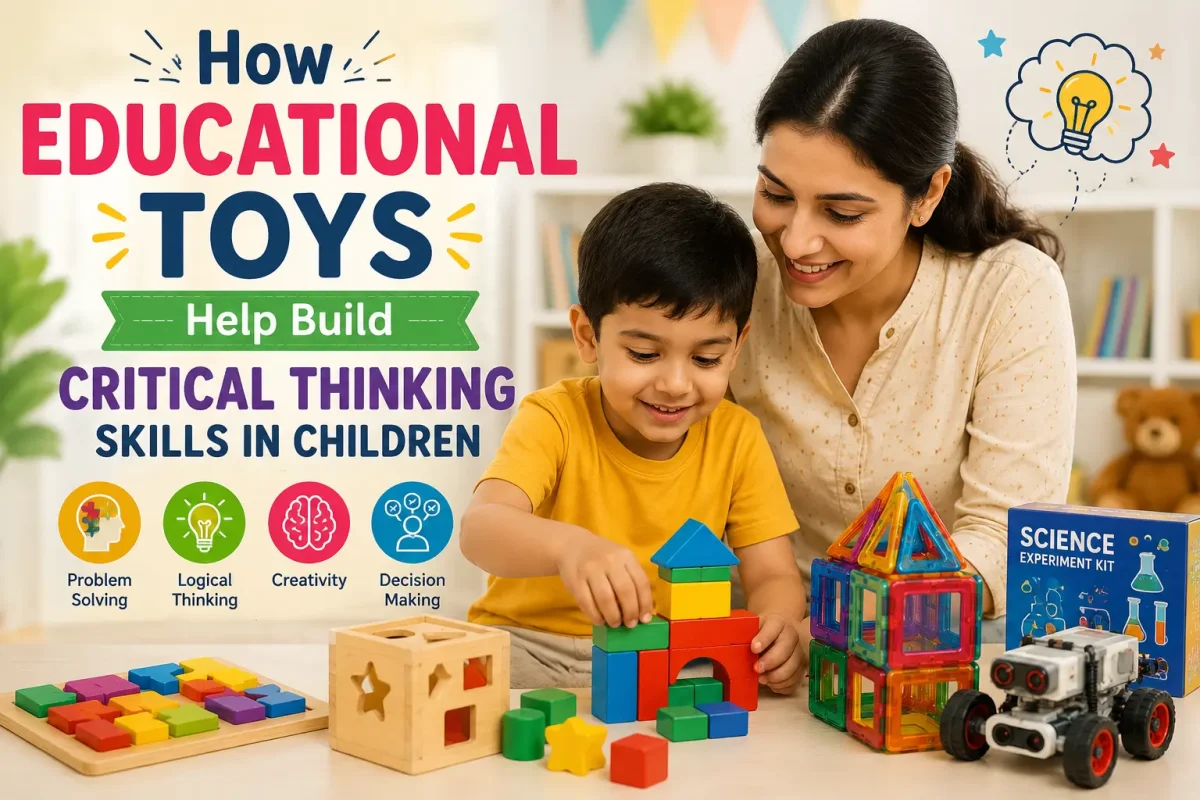
Building blocks can become houses, castles, bridges, cities, or vehicles. Wooden blocks can teach counting, balance, engineering, and creativity all at once. Magnetic tiles allow children to experiment with geometry while creating unique structures. This freedom stimulates creativity and strengthens problem-solving skills far more effectively than toys with only one intended function.

Encourage Problem-Solving Skills

Problem-solving is one of the most valuable abilities children develop through play. Toys that require children to think before acting improve reasoning, patience, and decision-making abilities.

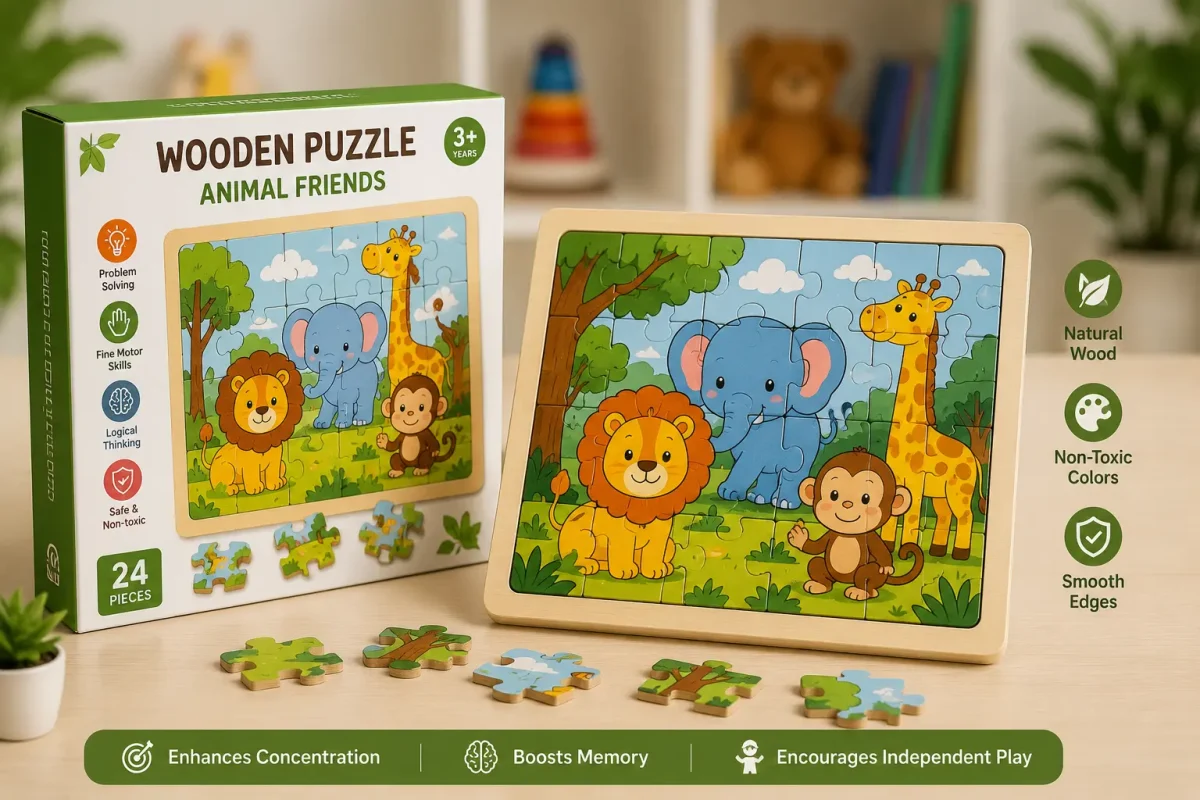
Puzzles, construction sets, shape sorters, maze games, and logic activities teach children how to identify problems, test solutions, and learn from mistakes. Every successful solution builds confidence while strengthening important areas of brain development.

Support Creativity and Imagination

Creative play activates multiple areas of the brain at the same time. When children imagine stories, create characters, or invent games, they improve language skills, emotional intelligence, communication, and flexible thinking.

Art supplies, pretend kitchens, dollhouses, animal figures, doctor kits, and building toys encourage children to express ideas without limitations. These experiences are essential for developing innovation and independent thinking.

Choose Toys That Build Fine Motor Skills

Brain development is closely connected to physical development, especially fine motor control. Activities that require children to grasp, stack, thread, connect, twist, or manipulate small objects strengthen the muscles in the hands while improving coordination between the brain and body.

These skills later support handwriting, drawing, using scissors, dressing independently, and performing many daily tasks with confidence.

Don\'t Be Fooled by Flashing Lights

Many electronic toys promise educational benefits through lights, sounds, and automatic responses. Although these toys may capture attention, they often reduce opportunities for active thinking because the toy performs most of the work instead of the child.

Simple toys frequently provide greater educational value because they require children to imagine, explore, and solve challenges independently. The goal should always be active learning rather than passive entertainment.

Prioritize Safe and High-Quality Materials

Children naturally explore the world by touching, holding, and sometimes placing objects in their mouths. Choosing toys made from durable, non-toxic materials protects children\'s health while ensuring the toys last for years.

Wooden educational toys, BPA-free plastic products, and toys with smooth finishes and strong construction are excellent choices for long-term learning.

Play Together Whenever Possible

Even the best educational toy cannot replace meaningful interaction with parents. Research consistently shows that children learn more when adults participate in play by asking questions, encouraging conversation, introducing new vocabulary, and celebrating discoveries.

Reading instructions together, building structures, solving puzzles, or pretending during imaginative play strengthens emotional bonds while enhancing learning outcomes.

Signs You\'ve Chosen the Right Toy

A quality educational toy keeps children engaged for long periods without requiring constant entertainment. Children return to it repeatedly, discover new ways to play, ask questions, solve problems independently, and proudly share their creations. These are strong indicators that the toy is stimulating healthy brain development rather than providing short-term amusement.

Frequently Asked Questions

Are expensive toys better for brain development?

No. Many simple toys like wooden blocks, puzzles, magnetic tiles, and pretend play sets provide greater educational value than expensive electronic toys. Learning comes from how children interact with the toy rather than its price.

Which toys improve intelligence the most?

There is no single toy that increases intelligence. However, construction toys, STEM kits, puzzles, open-ended building blocks, and creative play materials help develop problem-solving, reasoning, memory, and critical thinking skills.

Can educational toys replace learning at school?

Educational toys are designed to complement learning, not replace it. They reinforce important concepts through hands-on experiences while making learning enjoyable at home.

How many educational toys should a child have?

Quality is more important than quantity. A carefully selected collection of versatile toys encourages deeper learning than a room full of toys that receive little attention.

Final Thoughts

Choosing toys that genuinely support brain development is less about buying the newest or most expensive products and more about selecting toys that encourage curiosity, creativity, exploration, and independent thinking. The best educational toys inspire children to ask questions, solve problems, imagine new ideas, and develop confidence through play.

By focusing on open-ended learning, age-appropriate challenges, quality materials, and meaningful interaction, parents can create an environment where every play session becomes an opportunity for lifelong learning. Investing in thoughtfully designed educational toys today helps build the skills children will use throughout school and beyond.

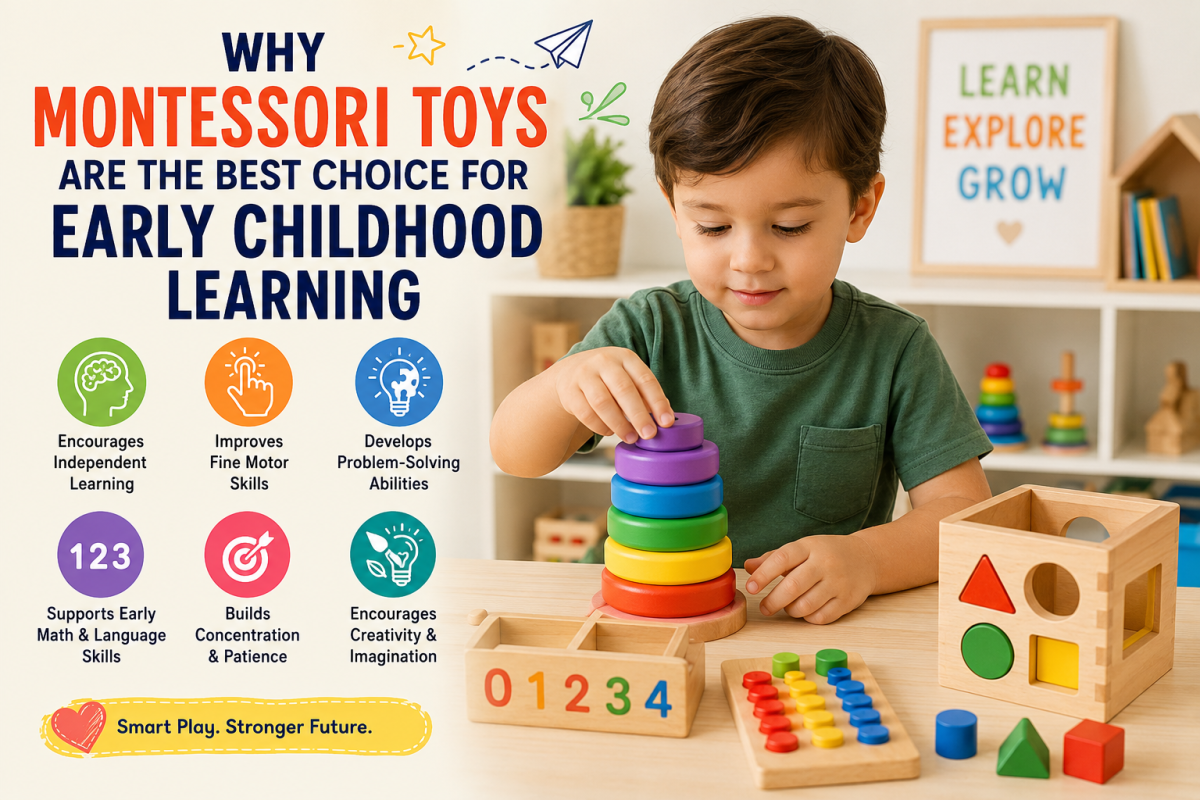
Why Montessori Toys Are the Best Choice for Early Childhood Learning – Child Playing with Montessori Educational Toys

Why Montessori Toys Are the Best Choice for Early Childhood Learning

Children learn best through hands-on experiences that encourage curiosity and creativity. Montessori toys are specially designed to promote independent learning, improve problem-solving skills, and support overall child development. These educational toys make learning fun while helping children build confidence and essential life skills from an early age.

What Are Montessori Toys?

Montessori toys are designed to encourage children to explore, learn, and solve problems independently. Unlike ordinary toys, they focus on developing practical life skills, creativity, concentration, and fine motor abilities. Popular examples include wooden puzzles, stacking toys, shape sorters, and sensory activity boards.


Encouraging Independent Learning

Montessori toys allow children to complete activities without constant adult guidance. As they solve problems independently, they build confidence, decision-making skills, and a love for learning through exploration.


Improving Fine Motor Skills

Activities such as stacking blocks, fitting puzzle pieces, and threading objects strengthen hand-eye coordination and fine motor control. These skills support writing, drawing, and everyday tasks.


Developing Problem-Solving Skills

Montessori puzzles and educational games encourage logical thinking and creative problem-solving. Children learn to recognize patterns, understand relationships, and develop critical thinking abilities through hands-on play.


Supporting Early Learning

Many Montessori toys introduce letters, numbers, colors, shapes, and counting in a fun and engaging way. Children naturally improve their language and mathematical understanding while enjoying educational activities.


Building Concentration and Patience

Simple, distraction-free toys encourage children to focus on one activity at a time. This helps improve attention span, patience, and the ability to complete tasks successfully.


Choosing the Right Montessori Toys

Select toys based on your child\'s age, interests, and developmental stage. Wooden puzzles, busy boards, stacking blocks, sensory toys, and practical life activities are excellent choices for meaningful learning.


Conclusion

Montessori toys help children become confident, creative, and independent learners. By choosing high-quality educational toys, parents can support cognitive, physical, and emotional development while making learning enjoyable every day.


Frequently Asked Questions

Q: What age is suitable for Montessori toys?
A: Montessori toys can be introduced from infancy, as long as they are safe and age-appropriate.

Q: Do Montessori toys improve learning?
A: Yes. They encourage independent learning, creativity, concentration, and problem-solving skills.

Q: Are Montessori toys better than electronic toys?
A: Montessori toys promote hands-on learning and active thinking, making them an excellent choice for early childhood development.

Child playing with educational toys to support learning, creativity, problem-solving, and child development.

10 Benefits of Educational Toys for Child Development

Educational toys are more than just playthings. They help children develop essential skills while making learning fun and engaging. From improving problem-solving abilities to enhancing creativity, the right toys can support a child\'s growth in many ways. Parents who choose educational toys give their children opportunities to learn through hands-on experiences that encourage exploration and independent thinking.

What Are Educational Toys?

Educational toys are designed to promote learning and development while children play. These toys help improve cognitive, physical, emotional, and social skills. Examples include building blocks, puzzles, STEM kits, memory games, and Montessori-inspired learning materials. Unlike ordinary toys, educational toys have a specific purpose: helping children learn new concepts and develop important life skills in an enjoyable way.

Different educational toys including building blocks, puzzles, STEM kits, Montessori materials, and memory games for child development.

Different types of educational toys, including puzzles, building blocks, STEM kits, Montessori materials, and memory games, help children learn through fun and interactive play.

1. Improve Problem-Solving Skills

Many educational toys challenge children to think critically and find solutions. Puzzles, building sets, and logic games encourage kids to analyze situations and make decisions. These activities strengthen problem-solving abilities that are useful throughout life.

2. Enhance Creativity and Imagination

Creative toys allow children to explore their imagination. Building blocks, art kits, and role-playing toys encourage self-expression and innovative thinking. Children learn to create, experiment, and develop unique ideas through play.

3. Develop Fine Motor Skills

Toys that require grasping, stacking, sorting, or assembling help strengthen hand and finger muscles. Improved fine motor skills support activities such as writing, drawing, and everyday tasks.

4. Support Early Learning

Educational toys introduce children to letters, numbers, shapes, and colors in a fun way. Learning through play helps children absorb information naturally and maintain interest in new concepts.

5. Encourage Social Interaction

Board games, group activities, and collaborative toys teach children how to communicate, share, and cooperate with others. These experiences help develop valuable social skills and emotional intelligence.

6. Build Confidence and Independence

Educational toys help children build confidence by allowing them to complete challenges and achieve goals independently. Whether solving a puzzle or building a structure, children experience a sense of accomplishment that boosts self-esteem and encourages independent thinking.

7. Improve Concentration and Focus

Many educational toys require children to pay attention and stay focused on a task. Activities such as puzzles, memory games, and building sets help improve concentration, patience, and attention span. These skills can also support better performance in school and everyday activities.

Child building a robotics kit with STEM educational toys to learn science, technology, engineering, and mathematics skills.

Hands-on STEM learning helps children develop creativity, critical thinking, problem-solving, and engineering skills through interactive play.

8. Promote STEM Learning

STEM toys introduce children to science, technology, engineering, and mathematics concepts through hands-on play. These toys encourage curiosity, experimentation, and problem-solving while helping children develop skills that are valuable for future learning and career opportunities.

9. Encourage Emotional Development

Educational toys can help children understand emotions and develop empathy. Role-playing games, storytelling toys, and social activities allow children to explore different feelings and situations. This helps them build emotional intelligence and learn how to interact positively with others.

10. Make Learning Fun

One of the greatest advantages of educational toys is that they make learning enjoyable. Children are naturally curious and eager to explore new things. Educational toys transform learning into a fun experience, helping children stay engaged and develop a lifelong love for learning.

Why Parents Should Choose Quality Educational Toys

When selecting educational toys, parents should focus on age-appropriate products that match their child\'s interests and developmental stage. High-quality educational toys provide long-term learning benefits and encourage meaningful play experiences.

Look for toys that promote creativity, exploration, and active participation rather than passive entertainment. Investing in quality educational toys can help children build essential skills while enjoying their learning journey.
Frequently Asked Questions

Q: At what age should children start using educational toys?
A: Educational toys can be introduced from infancy, provided they are age-appropriate and safe.

Q: Are educational toys better than regular toys?
A: Educational toys combine fun and learning, helping children develop important skills while enjoying playtime.

Q: How many educational toys should a child have?
A: Quality is more important than quantity. A few well-chosen educational toys can provide significant learning benefits.

Final Thoughts

Educational toys play an important role in a child\'s development. They help children build cognitive, social, emotional, and physical skills while keeping learning enjoyable. By choosing the right educational toys, parents can support their child\'s growth and create valuable learning experiences that last a lifetime.

Whether it is a puzzle, STEM kit, building block set, or Montessori-inspired toy, educational toys can make a lasting impact on a child\'s learning journey and overall development.

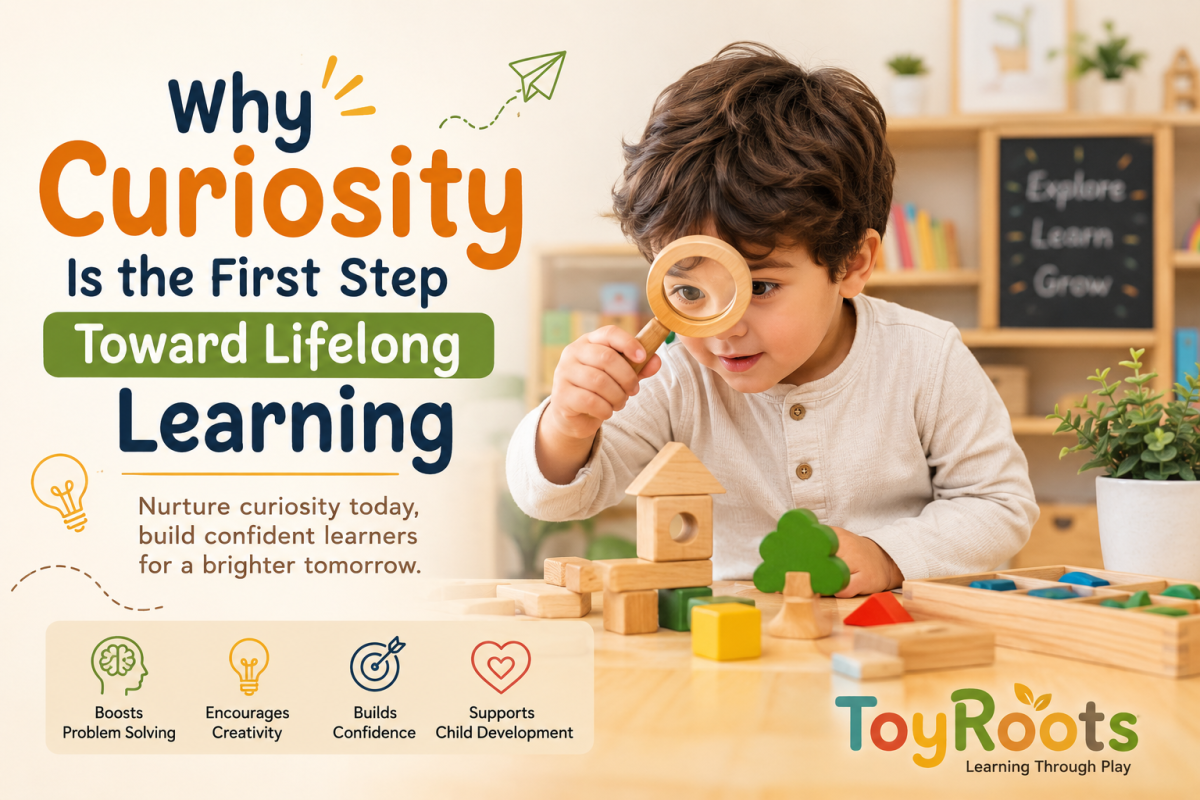
Why Curiosity Is the First Step Toward Lifelong Learning

Every child is born with a natural sense of curiosity. From reaching for colorful objects as babies to asking countless \"why\" questions as they grow, children are constantly trying to understand the world around them. This curiosity is more than just a passing phase—it is the foundation of lifelong learning. Instead of always providing immediate answers, parents can nurture this natural desire to learn by creating opportunities for exploration, discovery, and hands-on play. Educational toys play an important role in this process because they encourage children to investigate new ideas, solve simple challenges, and build confidence through experience. Rather than relying on memorization, children develop critical thinking skills and a genuine love of learning that continues as they grow.

Curiosity Helps Children Learn Naturally

Children learn most effectively when they are actively involved in their experiences. Every puzzle they complete, every tower they build, and every shape they successfully match encourages them to think more deeply about how things work. These everyday moments may seem simple, but they help children develop problem-solving abilities while satisfying their natural curiosity.

Open-ended educational toys are especially valuable because they do not limit children to one correct answer. Instead, they encourage experimentation, creative thinking, and independent decision-making. As children test different ideas and discover solutions on their own, they gain a deeper understanding of the concepts they are exploring while enjoying the learning process.

Hands-On Play Builds Confidence

There is something incredibly rewarding about discovering a solution without being given the answer. Every time a child figures out how to balance blocks, completes a sorting activity, or overcomes a small challenge, they gain confidence in their own abilities. These successes teach children that persistence often leads to achievement, even when something feels difficult at first.

Hands-on activities also help children develop resilience. Making mistakes becomes a natural part of learning rather than something to fear. Whether they are experimenting with building blocks, exploring Montessori materials, or completing simple STEM challenges, children gradually learn that every attempt brings them closer to understanding something new. This confidence extends beyond playtime and supports success in school and everyday life.

Learning Through Exploration

Children often remember experiences far better than instructions. Instead of simply being told how something works, they understand concepts more deeply when they are able to explore them firsthand. Building structures, mixing colors, arranging shapes, and completing puzzles introduce important ideas such as balance, patterns, sequencing, and logical thinking in a way that feels natural and enjoyable.

This style of learning removes unnecessary pressure while keeping children engaged. Because they are actively participating instead of passively receiving information, they remain curious and motivated to continue exploring. Learning becomes an exciting adventure rather than a task to complete.

Why Screen-Free Activities Encourage Curiosity

While digital devices can offer educational content, they often provide quick answers and constant stimulation that leave little room for independent thinking. Screen-free activities create a different kind of learning experience by encouraging children to slow down, ask questions, and discover solutions through hands-on interaction.

Educational toys invite children to become active participants in their own learning. They imagine new possibilities, experiment with different ideas, and solve problems through trial and error. This type of meaningful play also strengthens attention span, patience, creativity, and concentration, giving children valuable skills that support learning both now and in the future.

Choosing Toys That Inspire Discovery

The most effective educational toys are those that encourage children to think rather than simply entertain them. Toys that can be used in multiple ways inspire children to build, create, experiment, and imagine without strict rules or predetermined outcomes. This freedom allows curiosity to grow naturally as children explore different possibilities through play.

Montessori-inspired materials and STEM toys are excellent examples because they place children at the center of the learning experience. Instead of watching something happen, children become active problem-solvers who learn through observation, experimentation, and discovery. These experiences help develop creativity, independence, and a lasting enthusiasm for learning.

Final Thoughts

Curiosity is one of the greatest gifts parents can encourage during childhood. Every question a child asks represents an opportunity to explore, discover, and grow. By providing meaningful opportunities for hands-on learning, parents can help children build confidence, strengthen critical thinking skills, and develop a lifelong passion for learning.

At ToyRoots, we believe that the best educational toys inspire children to ask questions, explore new ideas, and enjoy every step of the learning journey. Whether it\'s a Montessori activity, a STEM challenge, or a favorite puzzle, every moment of meaningful play helps children build the skills and confidence they need for a bright future.

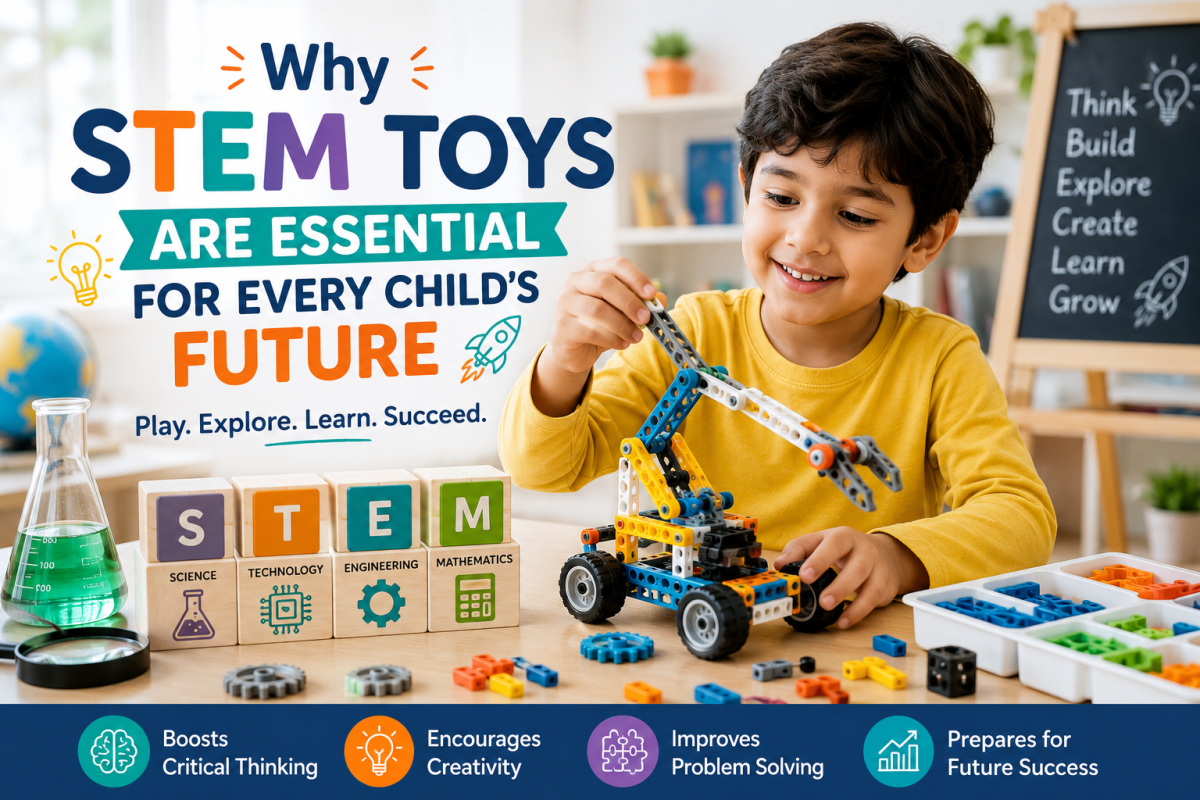
Why STEM Toys Are Essential for Every Child’s Future

STEM education is becoming increasingly important in today\'s world, and introducing children to Science, Technology, Engineering, and Mathematics (STEM) at an early age can make learning exciting and meaningful. STEM toys encourage children to explore, experiment, and solve problems while having fun. These toys develop critical thinking, creativity, and practical skills that prepare children for future success in school and beyond.

What Are STEM Toys?

STEM toys are designed to introduce children to science, technology, engineering, and mathematics through interactive play. From building kits and coding games to robotics sets and engineering challenges, these toys encourage children to discover how things work while developing valuable problem-solving skills.


Encouraging Critical Thinking

STEM toys challenge children to think logically, ask questions, and explore different solutions. Whether they are building structures or completing engineering projects, children learn to analyze problems before finding creative solutions.


Developing Creativity Through Innovation

Creativity is an important part of STEM learning. Many STEM toys allow children to design, build, and invent their own creations, helping them think outside the box while developing confidence in their ideas.


Building Strong Problem-Solving Skills

Every STEM activity encourages children to overcome challenges through experimentation and persistence. As they test different approaches, they develop resilience and learn that mistakes are valuable opportunities to learn.


Improving Math and Science Understanding

STEM toys introduce mathematical concepts, scientific principles, measurements, patterns, and cause-and-effect relationships through engaging activities. Children learn naturally while enjoying hands-on exploration.


Enhancing Fine Motor and Coordination Skills

Building, assembling, connecting, and experimenting with STEM toys improve hand-eye coordination and fine motor skills. These abilities support writing, drawing, and many everyday tasks.


Preparing Children for Future Careers

Many careers in the future will require strong STEM knowledge. Early exposure to STEM concepts builds confidence and sparks interest in fields such as engineering, computer science, robotics, medicine, and technology.


Choosing the Right STEM Toys

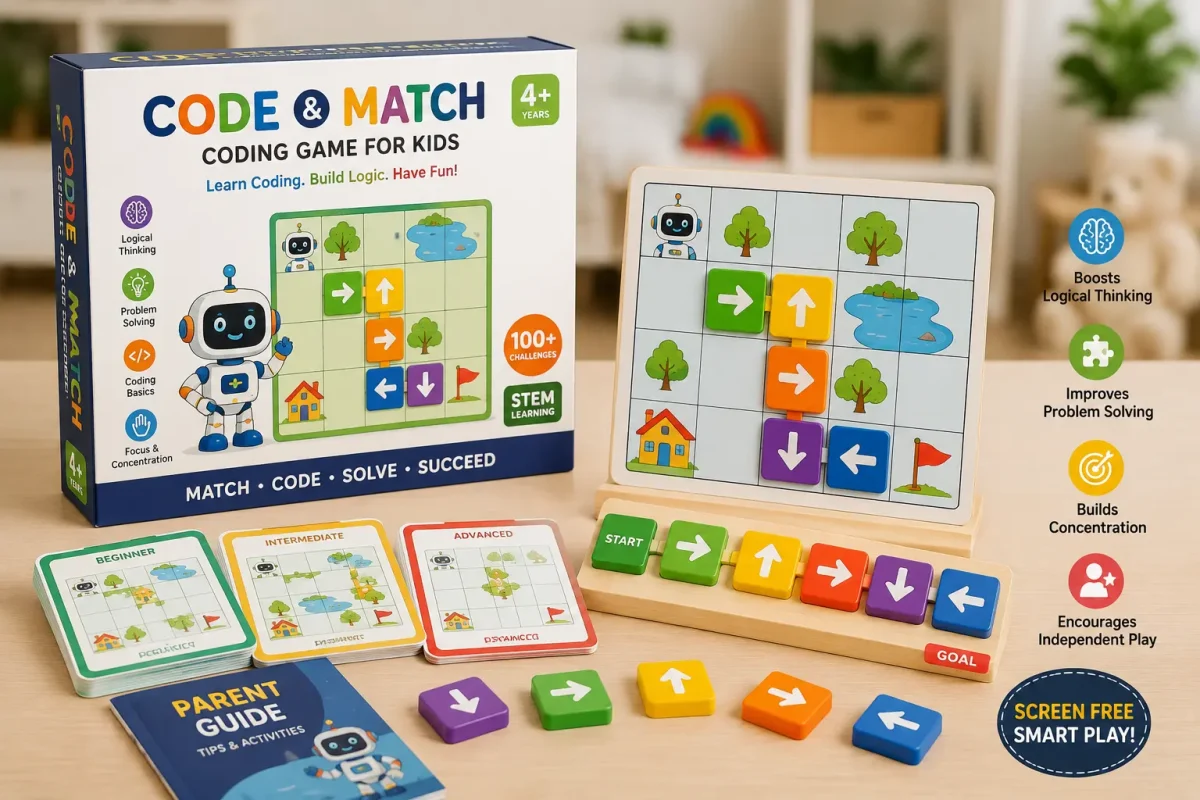
Select STEM toys based on your child\'s age, interests, and learning stage. Building blocks, magnetic tiles, coding games, robotics kits, engineering sets, science experiment kits, and construction toys provide excellent opportunities for meaningful learning.


Making STEM Learning Fun at Home

Parents can encourage STEM learning by participating in activities together, asking open-ended questions, and celebrating curiosity. Learning becomes more enjoyable when children are free to explore, experiment, and discover new ideas through play.


Conclusion

STEM toys offer much more than entertainment. They inspire curiosity, develop critical thinking, strengthen creativity, and prepare children with the skills needed for tomorrow\'s world. Investing in quality STEM toys today helps children become confident learners and innovative thinkers.

At ToyRoots, we believe every child deserves opportunities to explore, create, and discover through play. Our collection of educational STEM toys supports learning while making every playtime exciting and rewarding.