No products in the cart.
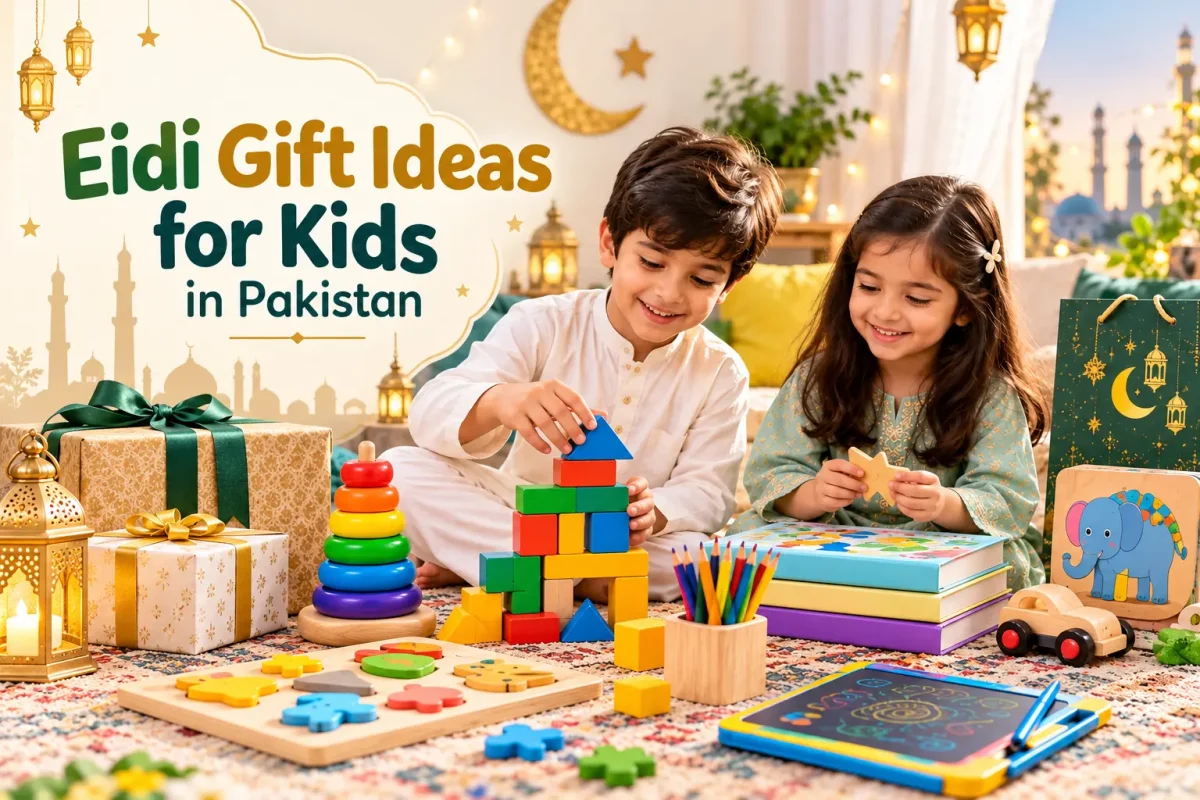
Eid is a time for family gatherings, delicious food, new clothes, and the excitement of receiving Eidi. For children, opening an envelope or receiving a special present can become one of the most memorable parts of the celebration.
But what if you want to give something a little different this year?
Whether you are shopping for your own child, a niece, a nephew, a cousin, or a friend’s little one, finding the right gift can be challenging. You want something enjoyable, age-appropriate, and worth the money you spend.
The good news is that you do not need an expensive present to make a child happy. A thoughtful gift that encourages creativity, exploration, or family play can be just as memorable as a larger toy.
In this guide, we will explore practical Eidi gift ideas for kids in Pakistan, including educational toys, creative activities, puzzles, and building sets for different ages and budgets.
What Makes a Good Eidi Gift for Kids?
Before choosing a present, think about what the child might enjoy doing rather than simply looking for the most colourful or expensive item.
A good Eidi gift should ideally meet four criteria:
- Age-appropriate: The toy should suit the child’s developmental stage and follow its manufacturer’s age and safety guidance.
- Interesting: Choose something that connects with the child’s interests, whether that means drawing, building, solving puzzles, or playing games.
- Reusable: Gifts that can be enjoyed repeatedly may offer better long-term value than items used only once.
- Within budget: A thoughtful present does not have to cost a fortune.
For younger children, a simple sorting toy or puzzle can provide plenty of opportunities to explore. Older children may prefer a challenging logic game, a construction set, or a creative activity that lets them make something of their own.
If you are unsure what to choose, hands-on toys are a practical starting point because they offer children something to do, discover, or create.
7 Eidi Gift Ideas for Kids in Pakistan
1. Wooden Puzzles and Matching Games
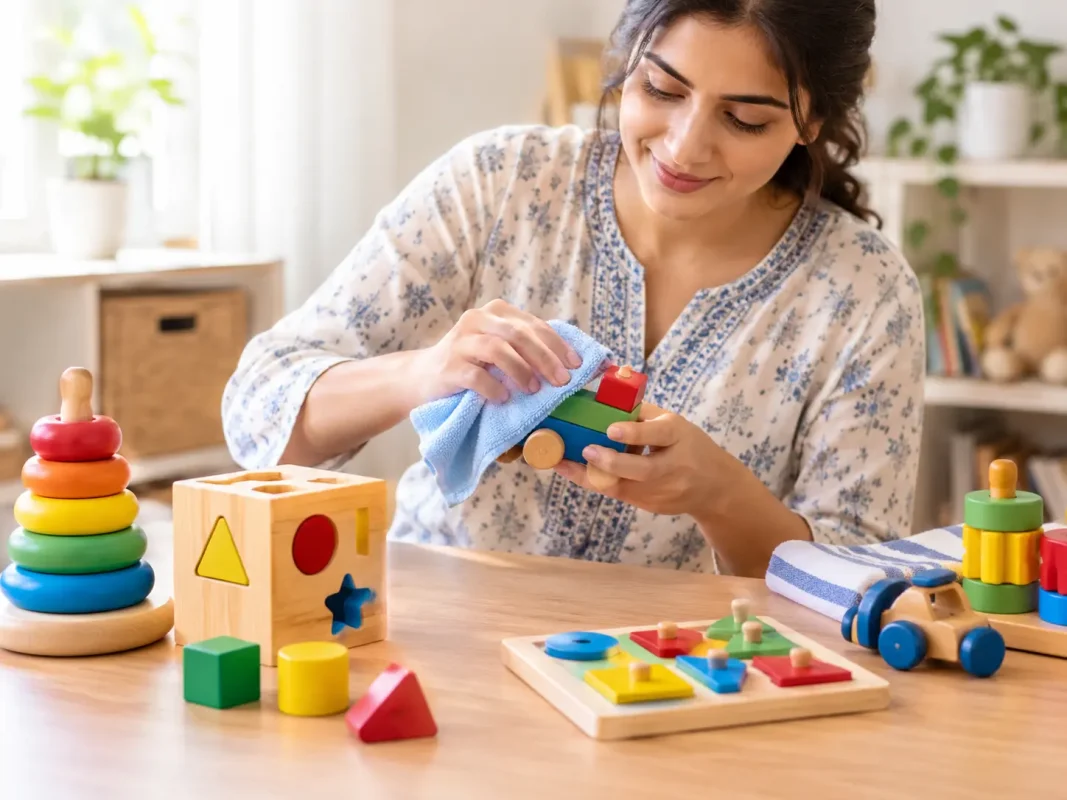
Wooden puzzles are a useful option when you want a gift that combines play with a manageable challenge.
Depending on the design, children can match shapes, identify pictures, recognise numbers, or work out how different pieces fit together. Completing a puzzle can also give them a satisfying sense of achievement.
For toddlers, look for simple puzzles with large, easy-to-handle pieces. Older preschoolers may enjoy more complex matching activities or logic puzzles.
Best for: Children who enjoy solving problems, matching pictures, and completing activities.
Gift-buying tip: Check the recommended age and the size of individual pieces before ordering, particularly if younger siblings will be around.
You can explore the ToyRoots educational puzzle collection for options ranging from early-learning puzzles to more challenging logic activities.
2. Building Blocks and Construction Toys
Some children would rather build a tower, create a house, or invent a new structure than complete a traditional puzzle.
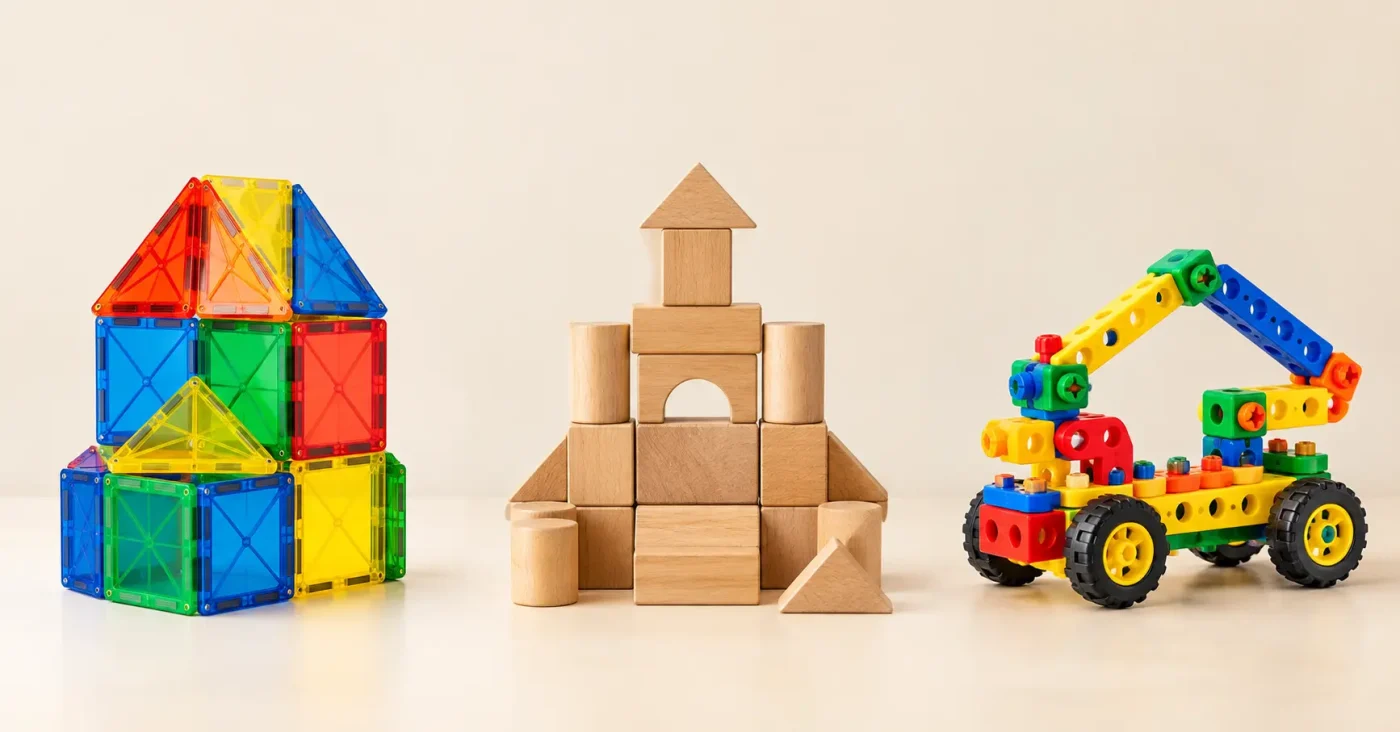
Building toys can make excellent Eidi gifts because children can experiment with different designs instead of following just one fixed activity. They can build independently or work together with siblings and cousins.
For younger children, choose simple, age-appropriate construction toys. Older children may enjoy sets that introduce more complicated structures or encourage them to solve building challenges.
Best for: Children who enjoy constructing, experimenting, and using their imagination.
Gift-buying tip: Consider the number of pieces, storage requirements, and whether the set is appropriate for the child’s age.
Magnetic building blocks are one option for children who enjoy hands-on construction. Check the individual product’s age guidance and any small-component warnings before buying.
3. Creative Drawing and Art Activities
Not every child wants a puzzle or construction set. Some would much rather draw, colour, or make their own designs.
Creative gifts can encourage children to experiment with shapes, patterns, pictures, and ideas. They also give children a way to express themselves without needing to produce a perfect result.
Depending on the child’s age and interests, you might consider a reusable drawing book, an LCD writing tablet, or an age-appropriate art activity.
Best for: Children who enjoy drawing, colouring, and creative expression.
Gift-buying tip: Think about where the child will use the gift. A compact drawing activity can be convenient for family visits, travel, and quiet time at home.
ToyRoots offers options such as a Magic Water Drawing Book, which uses water for reusable drawing activities. Check the product details to confirm the appropriate age and how the activity works.
4. Logic Games and Brain Teasers
For children who enjoy a challenge, logic games can be a more engaging alternative to a conventional toy.
These activities ask children to recognise patterns, plan their next move, solve a problem, or work out how pieces fit together. The challenge can make the gift interesting beyond the first play session.
Younger children may prefer straightforward matching games, while older children can explore more demanding puzzles and strategy games.
Best for: Children who enjoy thinking through problems and working towards a solution.
Gift-buying tip: Choose a difficulty level that allows the child to make progress without becoming frustrated. A puzzle that is too advanced may spend more time on the shelf than in use.
5. Number, Counting, and Early-Learning Toys
For toddlers and preschoolers, an early-learning toy can turn everyday play into an opportunity to explore basic concepts.
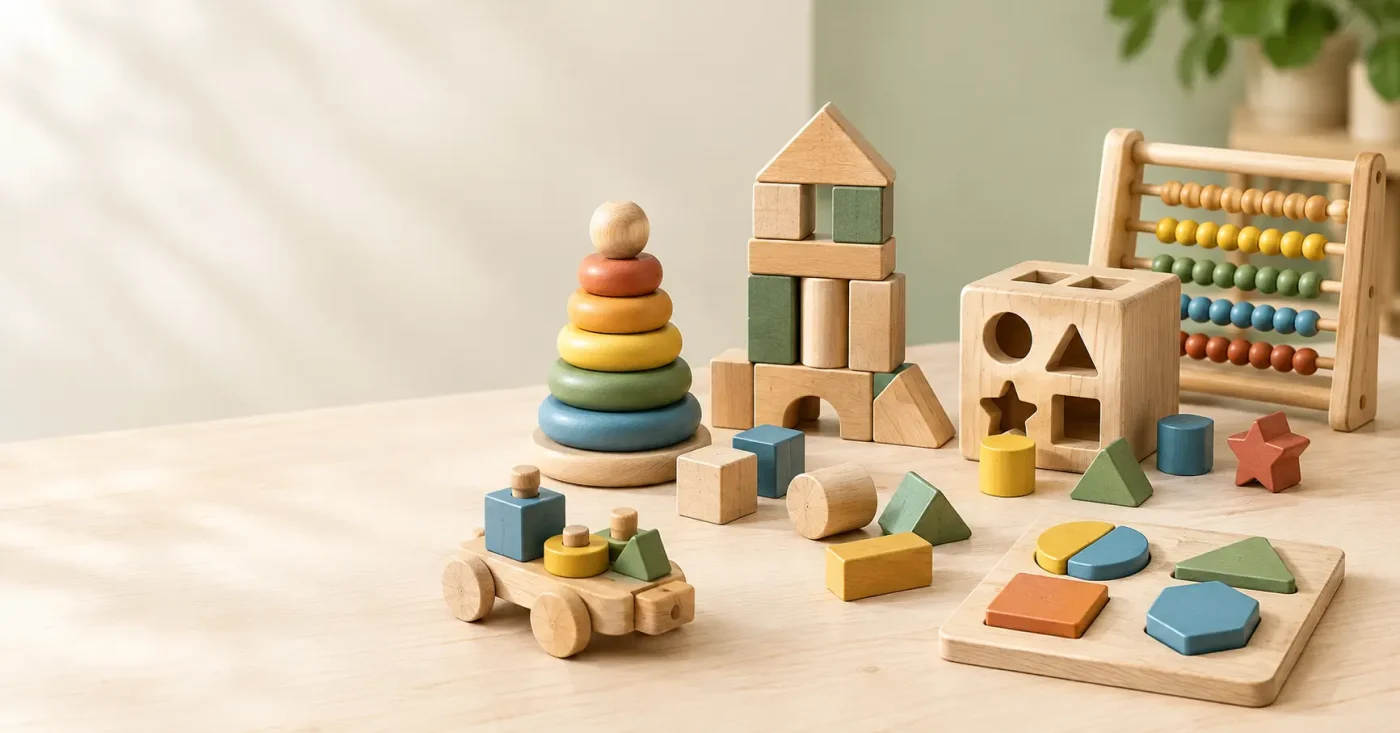
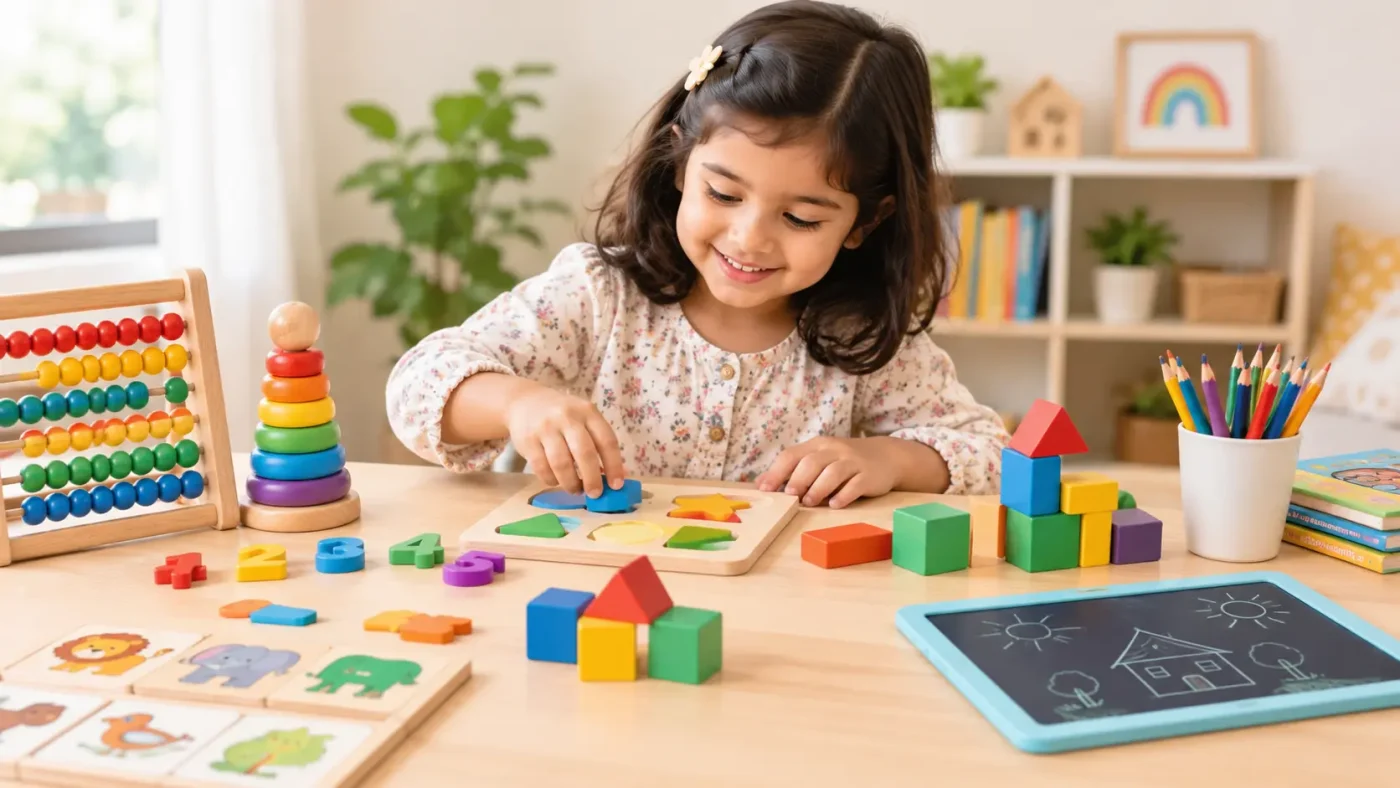
Counting toys, number puzzles, abacuses, and shape-sorting activities give children physical objects to handle while becoming familiar with numbers, shapes, and patterns.
These gifts do not need to feel like schoolwork. The idea is to let children explore at their own pace and enjoy the activity.
Best for: Toddlers and preschoolers who are beginning to recognise shapes, numbers, and patterns.
Gift-buying tip: Choose an activity that matches the child’s current abilities rather than buying something simply because it is labelled educational.
You can browse ToyRoots educational toys for puzzles, sorting activities, counting toys, and other hands-on learning options.
6. Family Games for Eid Gatherings
Eid often brings cousins, siblings, and relatives together. A game that several family members can enjoy may be a particularly suitable gift.
Depending on the child’s age, consider a simple board game, a strategy game, a stacking challenge, or a portable game that is easy to bring out during family visits.
The best choice depends on the number of players, the complexity of the rules, and whether the child enjoys playing competitively or cooperatively.
Best for: Children who enjoy playing with siblings, cousins, parents, or friends.
Gift-buying tip: Check the minimum recommended age and the number of players. A game that is too complicated for the youngest participant may not be the best fit for a family gathering.
7. STEM Toys for Curious Kids
Some children love asking questions about how things work. They may enjoy constructing models, exploring magnets, experimenting with simple mechanisms, or solving engineering-style challenges.
Age-appropriate STEM toys can provide a hands-on way to explore these interests. Options range from basic construction sets to more involved science activities.
Best for: Children who enjoy building, experimenting, and discovering how things work.
Gift-buying tip: Read the instructions, age recommendations, and supervision requirements carefully. Do not assume every science kit is suitable for every child.
For children ready for more involved activities, you can browse the ToyRoots STEM toy collection and compare the available options.
Eidi Gift Ideas by Age
Age is one of the most useful starting points when choosing a gift, especially when you do not know the child very well.
Gifts for Children Aged 1–2 Years
At this stage, children often enjoy exploring objects, stacking pieces, sorting shapes, and handling simple toys.
Suitable gift ideas may include:
- Age-appropriate stacking toys
- Simple shape sorters
- Large-piece puzzles
- Basic matching activities
- Simple sensory and creative toys
Safety is especially important for this age group. Avoid toys with small detachable pieces or accessible magnets that could be swallowed, and follow all manufacturer warnings.
Gifts for Children Aged 3–4 Years
Preschoolers may enjoy toys that involve more imagination, matching, construction, and simple problem-solving.
Consider:
- Wooden puzzles
- Building blocks
- Shape and colour sorting games
- Reusable drawing activities
- Simple logic games
Choose activities that are challenging enough to be interesting but still allow the child to succeed without constant adult assistance.
Gifts for Children Aged 5–6 Years
Children in this age group may be ready for more complex puzzles, creative construction, and games with a few rules to follow.
Consider:
- More advanced puzzles
- Construction sets
- Counting and number games
- Creative drawing activities
- Age-appropriate STEM toys
The child’s individual interests matter just as much as their age. One child may love building, while another may prefer art or games.
Gifts for Children Aged 7–8 Years
Older children may enjoy gifts that allow them to plan, experiment, compete, or work through several steps.
Consider:
- Challenging logic puzzles
- Strategy games
- Construction activities
- Number and brain-teaser games
- Suitable science and STEM kits
For this age group, look for a gift that offers a genuine challenge without being unnecessarily complicated.
Always check the manufacturer’s recommended age, especially when a product contains small parts, magnets, batteries, or other components requiring particular care.
Affordable Eidi Gift Ideas: How to Choose Within Your Budget
You do not need to spend a large amount to give a thoughtful Eidi present. Start with a budget and look for the best fit within it.
Here is a practical way to approach different spending levels:
| Budget | Types of gifts to consider |
|---|---|
| Under Rs. 500 | Simple puzzles, small games, or basic creative activities, where available |
| Rs. 500–1,000 | Wooden puzzles, sorting toys, counting activities, or compact games |
| Rs. 1,000–2,500 | Larger puzzles, selected construction sets, or more involved learning activities |
| Above Rs. 2,500 | Selected multi-activity toys, larger building sets, or more advanced STEM products |
These are suggested budget ranges, not guaranteed prices or a complete list of products available in each bracket. Check current listings before making a purchase.
When comparing gifts, consider how the child will use the item, how many activities it offers, and whether it suits their interests. A well-chosen gift within a modest budget can be more useful than a more expensive toy that does not match the child’s preferences.
What If You Don’t Know What the Child Likes?
Buying a gift for a niece, nephew, cousin, or friend’s child can be difficult when you have not spent much time with them.
Instead of guessing their favourite character or hobby, choose a practical approach.
Ask the parents. A quick question about the child’s age and interests can prevent an unsuitable purchase.
Choose an activity rather than a trend. Puzzles, creative activities, and age-appropriate building toys may suit children with a range of interests.
Consider the household. A compact toy may be more suitable for a family with limited storage space than a large set with many pieces.
Check what the child already owns. If possible, find out whether they already have a similar game or toy.
Prioritise suitability over appearance. Attractive packaging is nice, but age appropriateness, safety, and the activity itself matter more.
If you are still unsure, browse the ToyRoots educational toy range and narrow the options by the child’s age and the kind of play they enjoy.
Common Eidi Gift-Buying Mistakes to Avoid
Even a well-intentioned present can miss the mark if it does not suit the child.
Here are a few mistakes worth avoiding.
Buying Only by Age Label
Age recommendations are an important safety and suitability guide, but children of the same age can have different interests and abilities. Consider both the manufacturer’s age guidance and the child’s individual needs.
Choosing the Most Expensive Option
A higher price does not automatically mean a better gift. Compare the activity, quality, usability, and suitability rather than choosing on price alone.
Ignoring Small Parts and Safety Warnings
A toy suitable for an older child may not be appropriate in a home with younger siblings. Check warnings, detachable components, and supervision requirements before buying.
Forgetting the Child’s Interests
An educational toy is not automatically the right choice for every child. If they enjoy drawing, a creative activity may be a better fit than a complicated puzzle.
Leaving Online Shopping Until the Last Minute
If you are ordering a gift before Eid, check the seller’s current dispatch and delivery estimates. Delivery timelines can vary by destination, courier conditions, and seasonal demand.
Ordering early gives you more time to compare options and deal with any unexpected delays.
Frequently Asked Questions About Eidi Gifts for Kids
What are the best Eidi gift ideas for kids in Pakistan?
Good options include wooden puzzles, building blocks, creative drawing activities, family games, counting toys, and age-appropriate STEM sets. The best choice depends on the child’s age, interests, safety needs, and your budget.
What can I give a child instead of cash for Eidi?
You can choose a puzzle, a creative activity, a building toy, a family game, or another age-appropriate gift. If the child enjoys learning through play, a hands-on educational toy can be a thoughtful alternative.
What are affordable Eidi gifts for children?
Simple puzzles, compact games, and basic creative activities can be suitable options at lower budgets. Compare current prices and check that the product is appropriate for the child’s age before ordering.
Are educational toys suitable as Eid gifts?
Yes, when they match the child’s interests and abilities. Educational toys can combine enjoyment with activities involving creativity, problem-solving, counting, construction, and exploration.
How can I choose an Eidi gift for a child I barely know?
Ask their parents about their age and interests, choose a broadly appealing activity, and check for age and safety requirements. If you cannot ask, a simple, versatile toy may be a safer choice than a highly specialised product.
Where can I buy educational gifts for kids in Pakistan?
You can explore ToyRoots’ educational toys collection to compare Montessori-inspired toys, wooden puzzles, counting activities, building sets, and selected STEM toys. Check the current product listings and delivery information before placing an order.
Make This Eid More Memorable With a Thoughtful Gift
Eidi does not have to be expensive to be meaningful. A thoughtful present can give a child something new to explore, create, solve, or share with family.
Start with the child’s age and interests, decide how much you want to spend, and choose a gift that is safe, suitable, and enjoyable to use repeatedly.
Whether you are buying for your own child or surprising a niece, nephew, cousin, or family friend’s little one, a carefully chosen gift can make Eid feel even more special.
Explore ToyRoots educational toys to discover hands-on gift options for children across Pakistan, and choose something that makes playtime part of the celebration.