
Author Archives: admin

Activity-Based & DIY Learning with Educational Toys: A Complete Guide for Parents

In today’s fast-paced, technology-driven world, many parents struggle to find meaningful ways to engage their children beyond screens. While digital tools have their place, nothing replaces the value of hands-on, activity-based learning—especially when combined with educational toys.

Educational toys are more than just playthings; they are tools that help children explore, experiment, and understand the world around them. However, simply owning these toys is not enough. The real impact comes from how they are used. By integrating fun activities, creating a dedicated learning space, and even making your own DIY toys, you can transform ordinary playtime into a powerful learning experience.

This guide will walk you through practical ideas and strategies to help your child learn, grow, and thrive through creative play.


🎯 Why Activity-Based Learning is Important

Activity-based learning focuses on learning through doing. Instead of passively receiving information, children actively participate in the learning process. This method is especially effective for young learners because it aligns with their natural curiosity and energy.

When children engage in hands-on activities, they develop essential life skills such as problem-solving, critical thinking, and creativity. It also improves memory retention because kids are more likely to remember things they experience rather than things they are simply told.

Moreover, activity-based learning builds confidence. When a child successfully completes a puzzle, builds a structure, or solves a simple problem, they feel a sense of achievement that motivates them to keep learning.


🧩 Fun Learning Activities Using Educational Toys
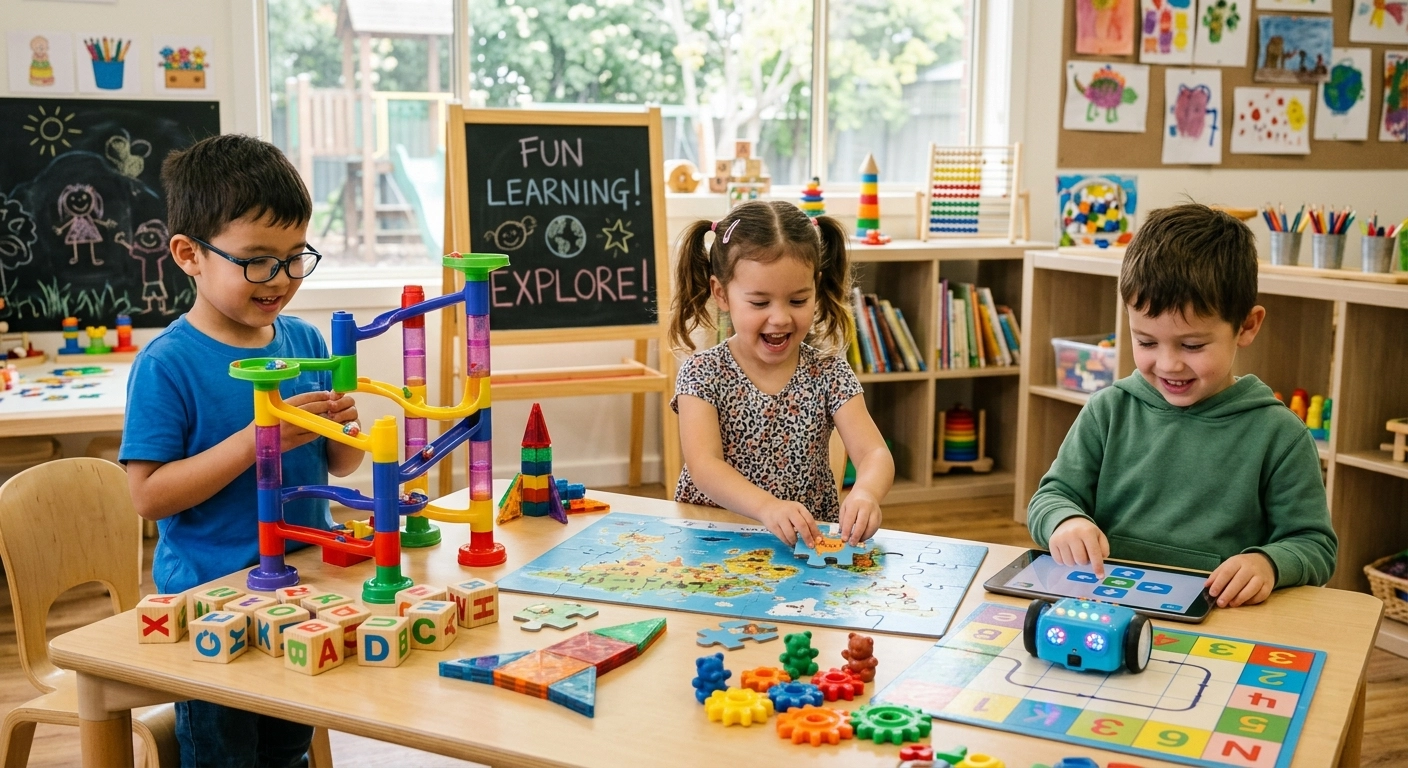

Educational toys can be used in many creative ways to make learning exciting and interactive. For example, a simple set of blocks can be turned into a counting game where children stack and count each piece. Similarly, shape sorters can help kids recognize patterns and improve their cognitive skills.

Another engaging activity is a “color hunt,” where children are asked to find objects or toys of a specific color around the house. This not only reinforces color recognition but also keeps them physically active.

Storytelling is another powerful method. Using toy animals, dolls, or action figures, children can create their own stories. This enhances language development, imagination, and emotional expression.

Puzzles can also be turned into fun challenges by adding a time element, encouraging children to think quickly and strategically. These simple activities make learning enjoyable while building essential skills.


🏡 How to Create a Learning Corner at Home


Creating a dedicated learning space at home can significantly improve a child’s focus and interest in educational activities. A learning corner doesn’t need to be large or expensive—it just needs to be organized, inviting, and child-friendly.

Start by choosing a quiet and well-lit area in your home. Add a small table and chair suitable for your child’s height. Use colorful baskets or shelves to store toys neatly, making them easily accessible.

It’s also a good idea to rotate toys every week. This keeps the environment fresh and exciting, preventing boredom. You can decorate the space with educational posters, alphabet charts, or your child’s artwork to make it more engaging.

A well-designed learning corner helps children associate that space with focus, creativity, and fun learning.


🛠️ DIY Educational Toys You Can Make at Home
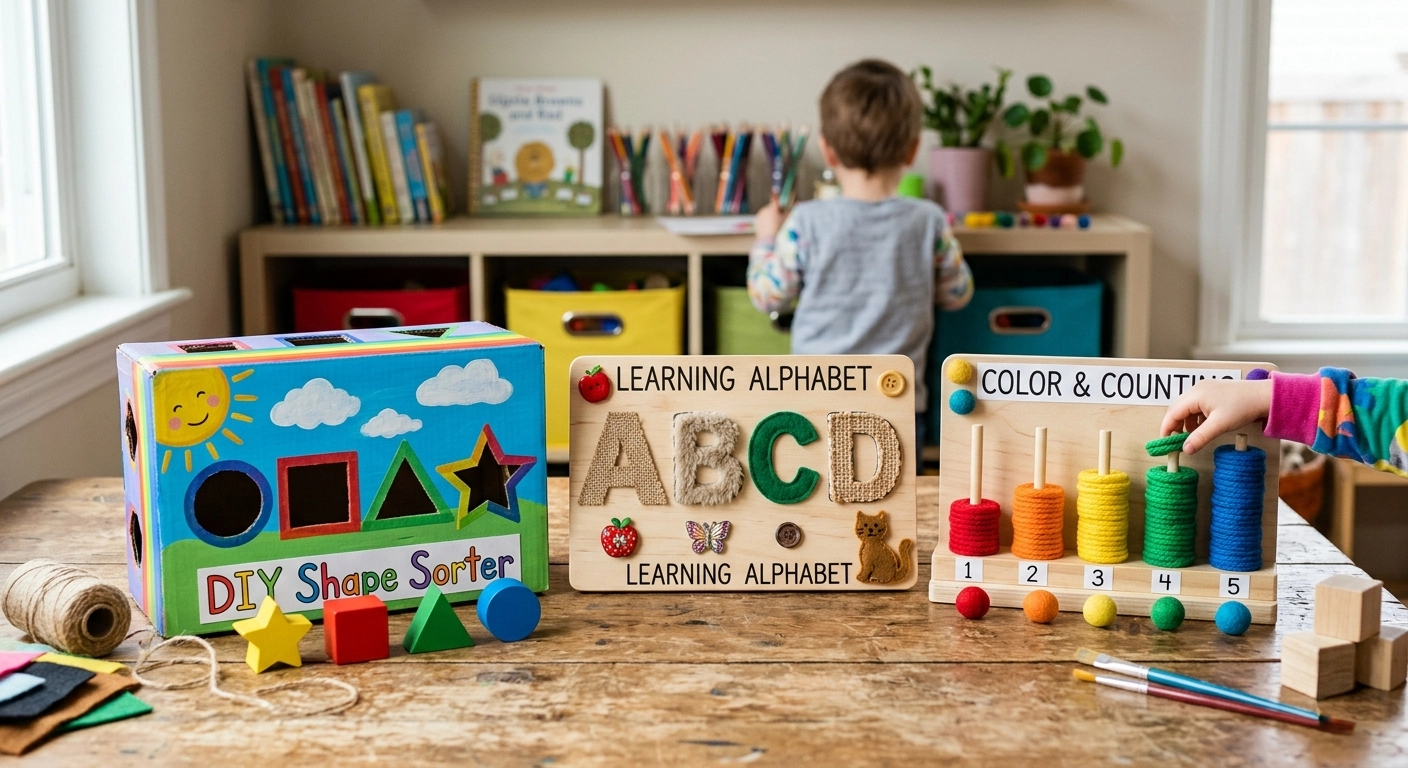
You don’t always need to buy expensive toys to support your child’s learning. Many effective educational tools can be made at home using simple, everyday materials.

  • Counting game using bottle caps
  • Cardboard puzzles
  • Alphabet box with objects
  • Sock matching game
  • Paper plate clock

DIY toys also give parents an opportunity to bond with their children while creating something meaningful together.


🎮 10 Indoor Learning Games for Kids


  • Memory card games to improve concentration
  • Alphabet treasure hunts to build language skills
  • Number hop games for active learning
  • Tower-building challenges using blocks
  • Word formation games for early readers
  • Matching pair activities
  • DIY bowling games using plastic bottles
  • Simon Says for listening skills
  • Story cube games for creativity
  • Sorting games based on size, shape, or color


🔤 How to Use Flashcards and Toys Together Effectively


Flashcards are a great learning tool, but they can sometimes feel repetitive or boring if used alone. Combining flashcards with toys makes learning more interactive and enjoyable.

For example, if you’re teaching the word “apple,” you can show the flashcard and then match it with a toy fruit. This creates a stronger connection in the child’s mind. You can also turn flashcard sessions into games by asking questions, giving rewards, or incorporating storytelling.

Using flashcards during playtime rather than as a separate activity helps children learn naturally without feeling pressured.


🌟 Conclusion
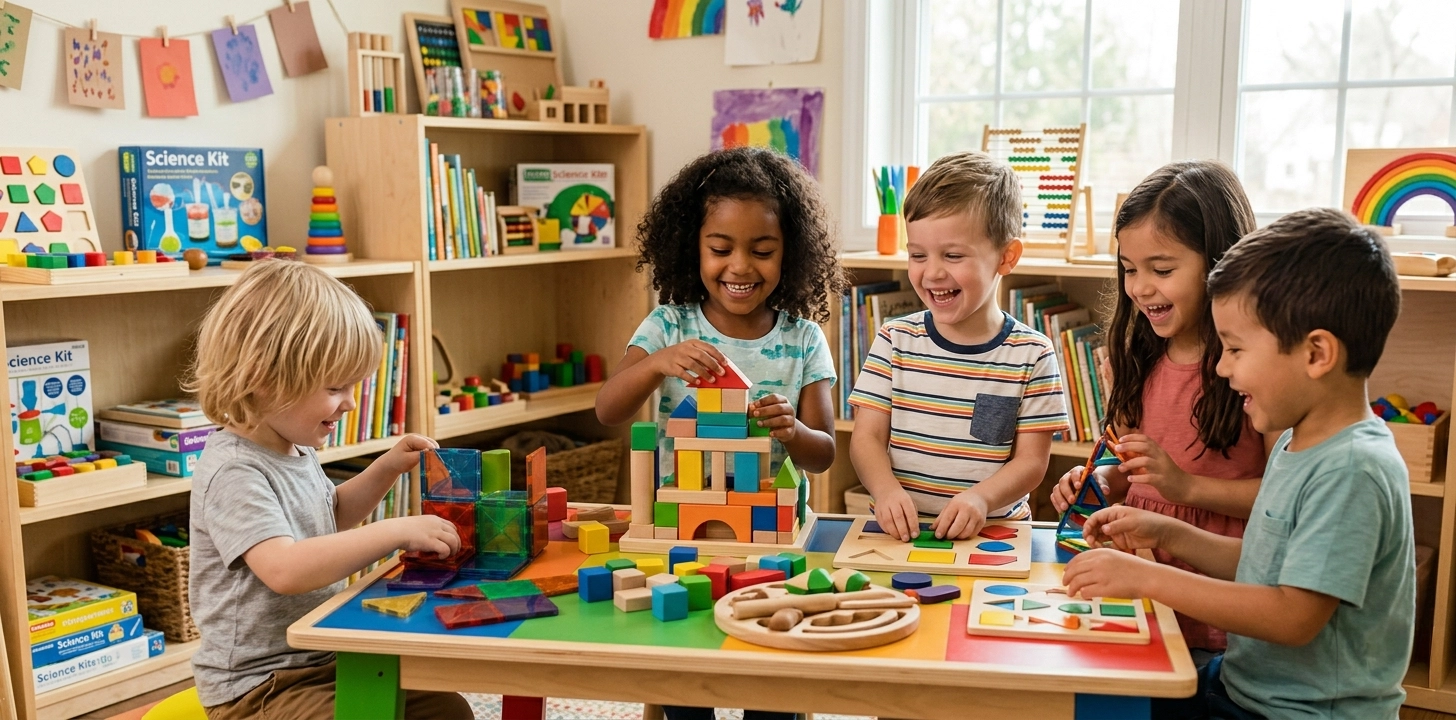

Educational toys have the potential to transform the way children learn—but their true value lies in how they are used. By incorporating activity-based learning, setting up a dedicated learning corner, and exploring DIY toy ideas, parents can create a rich and engaging learning environment at home.

Play is not just entertainment—it is the foundation of lifelong learning.


🧸 The Smart Parent’s Guide to Educational Toys: Turning Playtime into Powerful Learning

🌟 Introduction

Every parent wants the best for their child—better learning, sharper thinking, and a confident future. In today’s fast-paced world, however, children are increasingly surrounded by screens and passive forms of entertainment. This creates a common concern for parents: how to make learning enjoyable without making it feel like a burden. Educational toys provide a powerful solution to this challenge by transforming ordinary playtime into meaningful learning experiences. Instead of simply keeping children occupied, these toys actively engage their minds, helping them develop essential skills while having fun. Research and modern parenting trends consistently show that children learn best when they are involved, and play-based learning has become one of the most effective ways to support early development.


🎯 What Makes a Toy “Educational”?

Not every toy that looks colorful or attractive can be considered educational. A true educational toy is one that encourages a child to think, explore, and interact in a meaningful way. It supports problem-solving, enhances creativity, improves coordination, and helps children understand basic real-world concepts. The value of such toys lies in their ability to combine fun with learning, allowing children to naturally develop cognitive and motor skills without pressure. Well-designed educational toys focus on building logical thinking and curiosity, which are essential for a child’s overall growth.


🧠 Why Educational Toys Matter More Than Ever

The early years of a child’s life are critical for brain development, and the type of play they engage in plays a major role in shaping how they think and learn. Educational toys help strengthen thinking skills by encouraging children to analyze situations, plan actions, and solve problems independently. They also play a significant role in nurturing creativity and imagination, as children are given the freedom to create, build, and explore their own ideas. In addition, these toys support the development of fine motor skills by improving hand-eye coordination and control through hands-on activities. Another important benefit is that they reduce dependency on screens by offering engaging alternatives that promote active participation. As children achieve small successes during play, such as solving a puzzle or completing a task, they develop confidence and a sense of independence that motivates them to learn further.


🧩 Types of Educational Toys Every Child Should Try

Educational toys come in various forms, each designed to support different aspects of a child’s development. Learning and alphabet toys are especially beneficial for early learners, as they introduce letters, sounds, and basic language skills in an interactive way. Similarly, math and counting toys help children understand numbers and develop logical thinking from an early age. Building and construction toys encourage creativity and problem-solving by allowing children to design and assemble structures, which also improves spatial awareness. Brain teasers and logic games challenge children to think critically, improving their memory, focus, and reasoning abilities. Creative and artistic toys, such as drawing boards and craft kits, provide an outlet for self-expression and imagination, helping children explore their creative potential.


👶 Choosing the Right Toy by Age

Selecting the right educational toy depends greatly on a child’s age and developmental stage. For toddlers between one and three years, simple toys like shape sorters, stacking toys, and basic puzzles are ideal as they help develop motor skills and basic recognition abilities. Preschoolers, typically between three and five years, benefit more from toys that encourage creativity and early learning, such as alphabet games, building blocks, and drawing tools. As children grow older and enter school age, they require more challenging toys like STEM kits, advanced puzzles, and strategy-based games that enhance problem-solving skills and independent thinking. Choosing age-appropriate toys ensures that children remain engaged while gaining the maximum learning benefit.


🚫 Common Mistakes Parents Make

Many parents unintentionally make mistakes when selecting toys for their children. One common issue is buying too many toys instead of focusing on quality and purpose. Flashy toys that look attractive but offer little educational value often fail to contribute to a child’s development. Ignoring age-appropriateness is another mistake that can lead to frustration or lack of interest in play. Additionally, relying too much on screens instead of interactive toys can limit a child’s ability to actively learn and explore. It is important to remember that a single meaningful educational toy can provide far more value than multiple toys with no real learning benefit.


🌟 The Future of Learning is Play-Based

The traditional idea that learning and play are separate activities is rapidly changing. Modern educational approaches emphasize that children learn more effectively when they are engaged in hands-on, interactive experiences. Play-based learning has proven to improve memory, increase understanding, and help children develop essential life skills. Educational toys perfectly align with this approach by combining enjoyment with meaningful learning outcomes. As a result, they are becoming an essential part of modern parenting and early education.


🛍️ Final Thoughts: Invest in Play that Matters

Every toy a parent chooses plays a role in shaping their child’s development. The best toys are those that teach without creating pressure, engage children without relying on screens, and continue to provide value as the child grows. By focusing on toys that encourage learning and creativity, parents can ensure that playtime becomes a productive and enriching experience.


✅ Conclusion

In a world filled with distractions, providing children with meaningful play opportunities is more important than ever. Educational toys go beyond simple entertainment by helping children develop critical thinking skills, creativity, confidence, and independence. They prepare young minds to face real-life challenges while making learning an enjoyable journey. By choosing the right educational toys, parents are not just keeping their children busy—they are investing in their future. The impact of these choices can last a lifetime, proving that the right play today truly builds a brighter tomorrow.

🧸 Top 7 Educational Toys That Boost Your Child’s Brain Development in 2026

Smart Educational Toys 2026

Choosing the right educational toys can shape your child’s future. In 2026, toys are smarter, interactive, and designed to build real-world skills while keeping kids engaged.


🧠 1. STEM Building Kits

STEM kits help children explore science, engineering, and technology by building robots, circuits, and mechanical models.

✨ Why they’re great:

  • Improve problem-solving skills
  • Encourage logical thinking
  • Develop engineering mindset early

👶 Best for: Ages 6+

🎨 2. Creative Art & Craft Kits

Art kits allow kids to express their imagination while improving creativity and emotional development.

  • Drawing tools
  • Clay modeling sets
  • DIY craft projects

👶 Best for: Ages 3+

🧩 3. Puzzle & Brain Teasers

Puzzles help kids think critically and improve focus.

  • Jigsaw puzzles
  • Sudoku for kids
  • 3D brain games

🤖 4. Coding Toys & Robots

Kids can learn programming through fun drag-and-drop coding games and smart robots.

  • Computational thinking
  • Sequencing and logic
  • Basic programming skills

📚 5. Interactive Learning Tablets

Educational tablets combine games, quizzes, and lessons in one device.

  • Parental controls
  • Curriculum-based apps
  • Voice interaction

🔤 6. Language Learning Toys

Language toys help kids learn through sound, visuals, and repetition.

  • Talking flashcards
  • Alphabet boards
  • Audio storytelling toys

🧮 7. Math Learning Toys

Math toys make numbers fun through games and puzzles.

  • Counting games
  • Abacus tools
  • Math puzzles

🎯 Final Thoughts

The best toys match your child’s interests and learning style.

  • ✔ Encourage active participation
  • ✔ Combine learning with fun
  • ✔ Grow with your child

💡 Pro Tip for Parents

Rotate toys every few weeks to keep kids engaged and curious.

Best Educational Toys for 3 Year Olds (Complete Guide for Parents)

Why Educational Toys Matter

Educational toys play a vital role in a child’s overall development, making learning both fun and meaningful. They are designed not just for entertainment, but to nurture essential skills that children need as they grow.

Why Educational toy matter copy

🧠 Improve Language Skills

Educational toys such as word games, flashcards, and storytelling kits help children expand their vocabulary and improve communication. Through interactive play, kids learn how to express themselves clearly, understand new words, and build confidence in speaking and listening.

🔍 Boost Problem-Solving Skills

Puzzles, building blocks, and strategy-based games encourage children to think critically and find solutions independently. These toys challenge young minds, helping them develop logical thinking, creativity, and decision-making abilities from an early age.

✋ Develop Motor Skills

Hands-on toys like stacking rings, shape sorters, and construction sets support the development of fine and gross motor skills. As children grasp, move, and manipulate objects, they improve hand-eye coordination and physical control, which are essential for everyday tasks.

🤝 Build Social Skills

Many educational toys promote group play and interaction. Board games and role-playing sets teach children how to share, cooperate, take turns, and understand others’ feelings. These experiences help build strong social and emotional skills that are crucial for real-life relationships.

Top Educational Toys

🧩 Puzzle Toys

Puzzle toys are excellent tools for enhancing memory, logical thinking, and pattern recognition. From simple shape-matching puzzles for toddlers to intricate jigsaws for older kids, puzzles challenge the brain and improve cognitive development. Solving puzzles also boosts patience, perseverance, and attention to detail. These toys offer both individual and group learning experiences. When children work together to complete a puzzle, they practice communication, cooperation, and problem-solving strategies. Puzzle toys are not just fun—they create a structured learning environment that strengthens critical thinking from an early age.

🌿 Montessori Toys

Montessori toys are designed to encourage independent learning and hands-on exploration. These toys often focus on sensory experiences, practical life skills, and self-directed activities, allowing children to learn at their own pace. Montessori materials are carefully crafted to stimulate curiosity and promote understanding through experimentation. Using Montessori toys, children develop concentration, coordination, and a sense of responsibility. By engaging in purposeful play, they gain confidence in their abilities, explore cause-and-effect relationships, and nurture intrinsic motivation for learning. These toys align perfectly with developmental milestones and foster lifelong learning habits..

🎭 Pretend Play

Pretend play toys open doors to creativity, imagination, and social learning. When children role-play as doctors, chefs, superheroes, or teachers, they explore different scenarios, practice problem-solving, and experiment with emotions and social roles. This type of play enhances communication skills and helps children understand empathy and collaboration. Pretend play also supports cognitive and emotional development. By creating stories, making decisions, and negotiating roles with friends or family, children develop critical thinking, flexibility, and confidence. These toys are not just entertainment—they are tools for nurturing well-rounded social and emotional intelligence.. ..

🎵 Musical Toys

Musical toys introduce children to rhythm, melody, and sound exploration. Instruments like xylophones, drums, or toy keyboards help develop auditory skills, coordination, and timing. Playing music improves memory, concentration, and pattern recognition, while also sparking joy and self-expression. These toys often encourage group play, making music a social experience that strengthens communication and cooperation. By experimenting with different sounds and rhythms, children learn creativity and emotional expression. Musical toys are both fun and educational, supporting cognitive, sensory, and emotional development simultaneously. ..

How to Choose the Right Toy

  • Age appropriate
  • Safe materials
  • Educational value
  • Durable

Common Mistakes

  • Buying too many toys
  • Choosing toys that are too advanced
  • Ignoring child’s interests

Tips for Parents

  • Rotate toys regularly
  • Play together
  • Encourage creativity
  • Limit screen time

🎯 Final Thoughts

Educational toys are tools that shape your child’s future. Choose wisely and make learning fun!